Metallic Magic: Using Gold & Silver Without Overdoing It
Metallic finishes have always held a certain magic in interior design. They reflect light, add dimension, and introduce an unmistakable sense of polish. Yet for many homeowners, gold and silver can feel intimidating—too flashy, too cold, or too easy to overdo.

The truth is, metallics aren’t about shine for shine’s sake. When used with intention, gold and silver become subtle tools for balance, warmth, and visual rhythm. The most beautiful interiors don’t rely on perfectly matching finishes; instead, they focus on harmony, repetition, and restraint.
Here’s how to use gold and silver thoughtfully—so your space feels elevated, layered, and timeless rather than overwhelming.
Why Gold & Silver Still Matter in Interior Design
Metallics never truly disappear; they simply evolve. From the gilded details of historic European interiors to the restrained metallic accents found in contemporary homes today, gold and silver continue to play a role because they interact with light in a way no other material can.
In modern interiors, metallics are less about glamour and more about depth. A brushed gold detail can warm a neutral palette. A soft silver finish can sharpen a space without cooling it too much. Used together, they create contrast that feels intentional rather than decorative.
The key shift? Metallics are no longer the star of the room—they’re the quiet supporting cast that makes everything else look better.
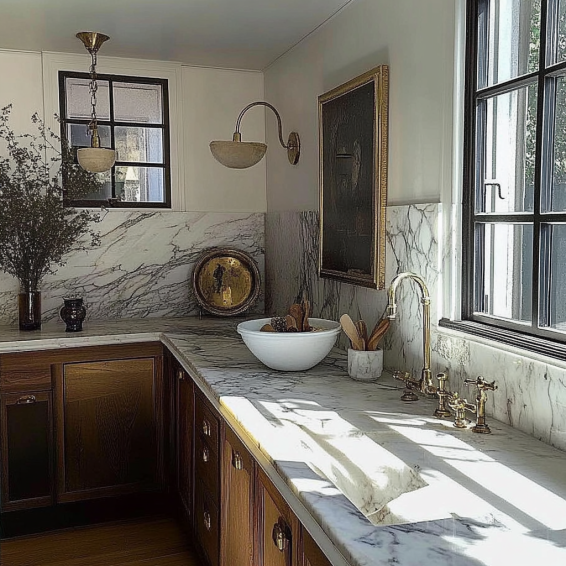
Balance Over Matching: The Core Principle
One of the biggest misconceptions about metallics is that everything needs to match. In reality, matching finishes can make a space feel flat and overly coordinated.
A more refined approach is to limit a space to two metal finishes and repeat each one at least twice. This creates visual balance while allowing the room to breathe.
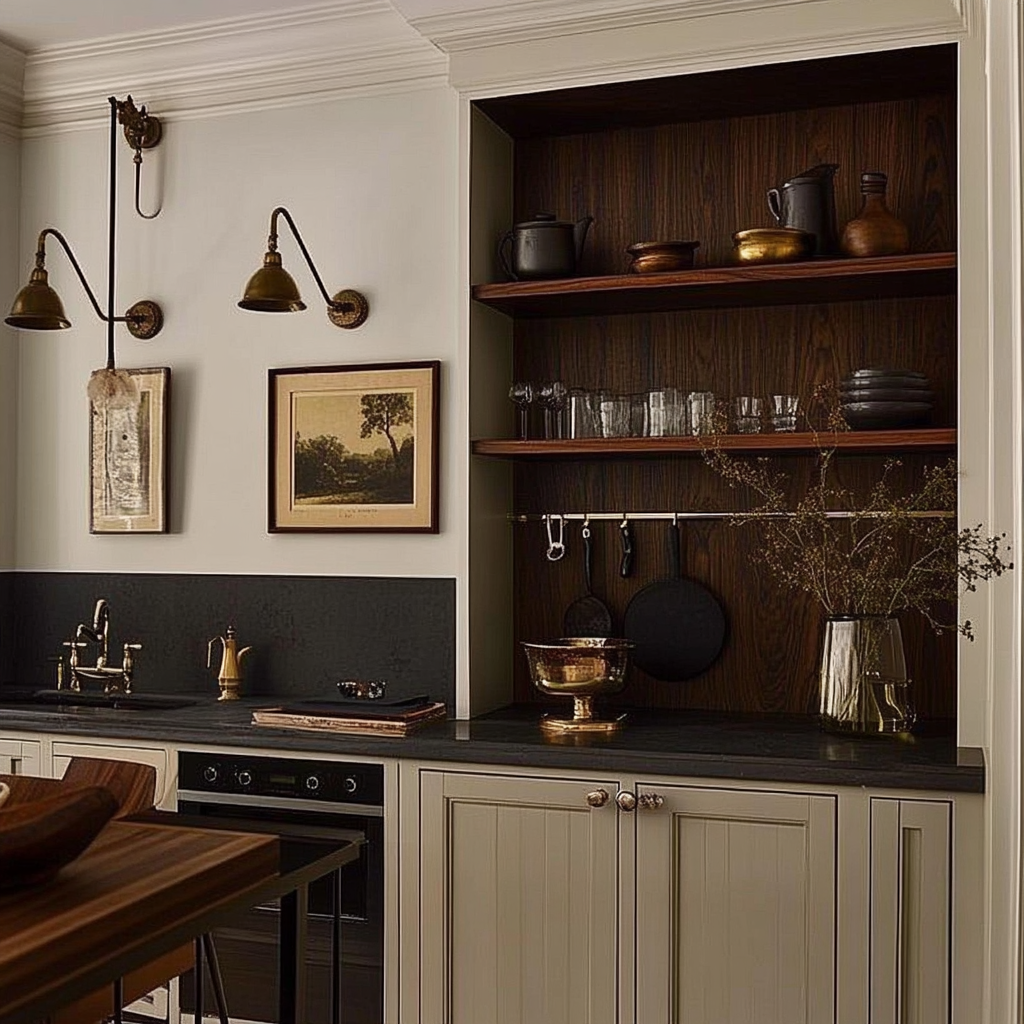
Think of it as a hierarchy:
One metal leads (appearing most frequently)
The second metal supports (used as an accent)
For example, gold might appear in cabinet hardware and lighting, while silver shows up subtly in plumbing fixtures or accessories. Neither competes; both complement.
When each finish appears in more than one place, the room feels deliberate—never accidental.
Choosing the Right Mood: Gold vs. Silver
Not all metallics feel the same, and understanding their emotional impact helps guide where and how to use them.
Gold tones (brushed brass, aged gold, champagne finishes) add warmth and softness. They work beautifully in spaces where you want a welcoming, layered feel—living rooms, dining areas, bedrooms, and kitchens with natural materials.
Silver tones (polished nickel, brushed nickel, soft chrome) feel cleaner and crisper. They’re ideal for bathrooms, contemporary kitchens, or spaces where you want clarity and lightness without heaviness.
When combined, gold and silver create a contrast that feels balanced rather than stark—especially when finishes are softened rather than high-gloss
Finish Matters More Than Shine
A common mistake with metallics is choosing finishes that are too reflective. High-gloss metals can quickly dominate a room, especially in spaces with strong natural light.
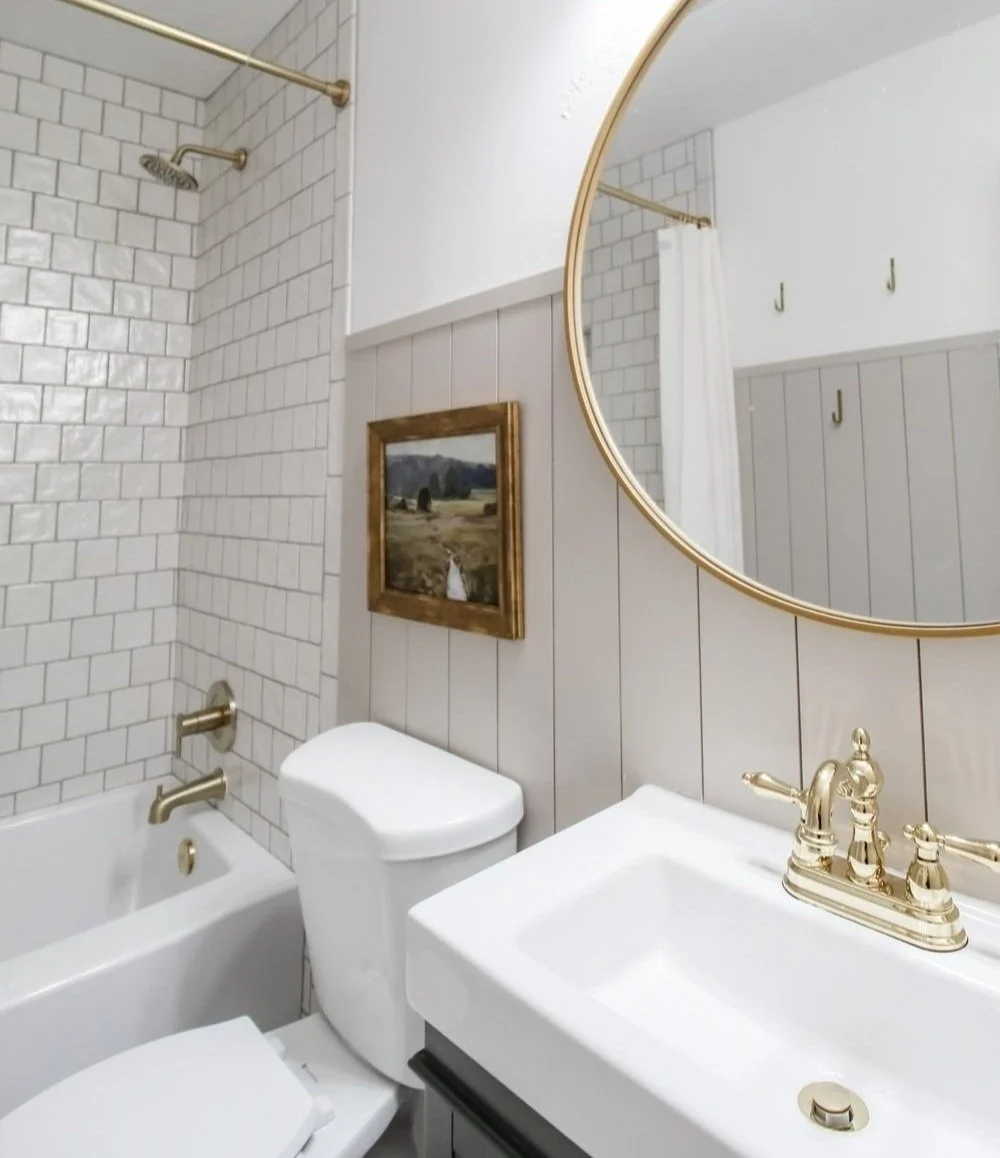
Instead, opt for finishes that feel tactile and grounded:
Brushed or satin gold rather than polished
Soft silver instead of mirror-like chrome
Antiqued or burnished finishes for depth
These surfaces catch light gently rather than demanding attention, allowing metallics to enhance the space instead of overpowering it.
Where Gold & Silver Work Best:
Lighting
Lighting is one of the easiest and most effective places to introduce metallics. Gold pendants add warmth above a kitchen island, while silver or nickel sconces bring clarity to bathrooms and hallways. Because lighting naturally draws the eye, it’s an ideal place for your lead metal.
Hardware & Fixtures
Cabinet hardware, taps, and handles are small but impactful. Keeping plumbing fixtures consistent in one finish while allowing hardware or lighting to introduce a second metal creates a clean, cohesive look—especially in kitchens and bathrooms.
Furniture & Accessories
Metallic furniture bases, trays, mirrors, or sculptural objects allow you to experiment without commitment. These elements are easy to edit over time and can subtly reinforce your chosen finishes.
Textiles & Wall Finishes
Metallics don’t need to be literal metal. Fabrics woven with metallic thread, wallpaper with a soft shimmer, or paint with mica undertones add depth without obvious shine. These applications feel especially sophisticated in bedrooms, dining rooms, and internal spaces with limited natural light.
Using Metallics to Enhance Light
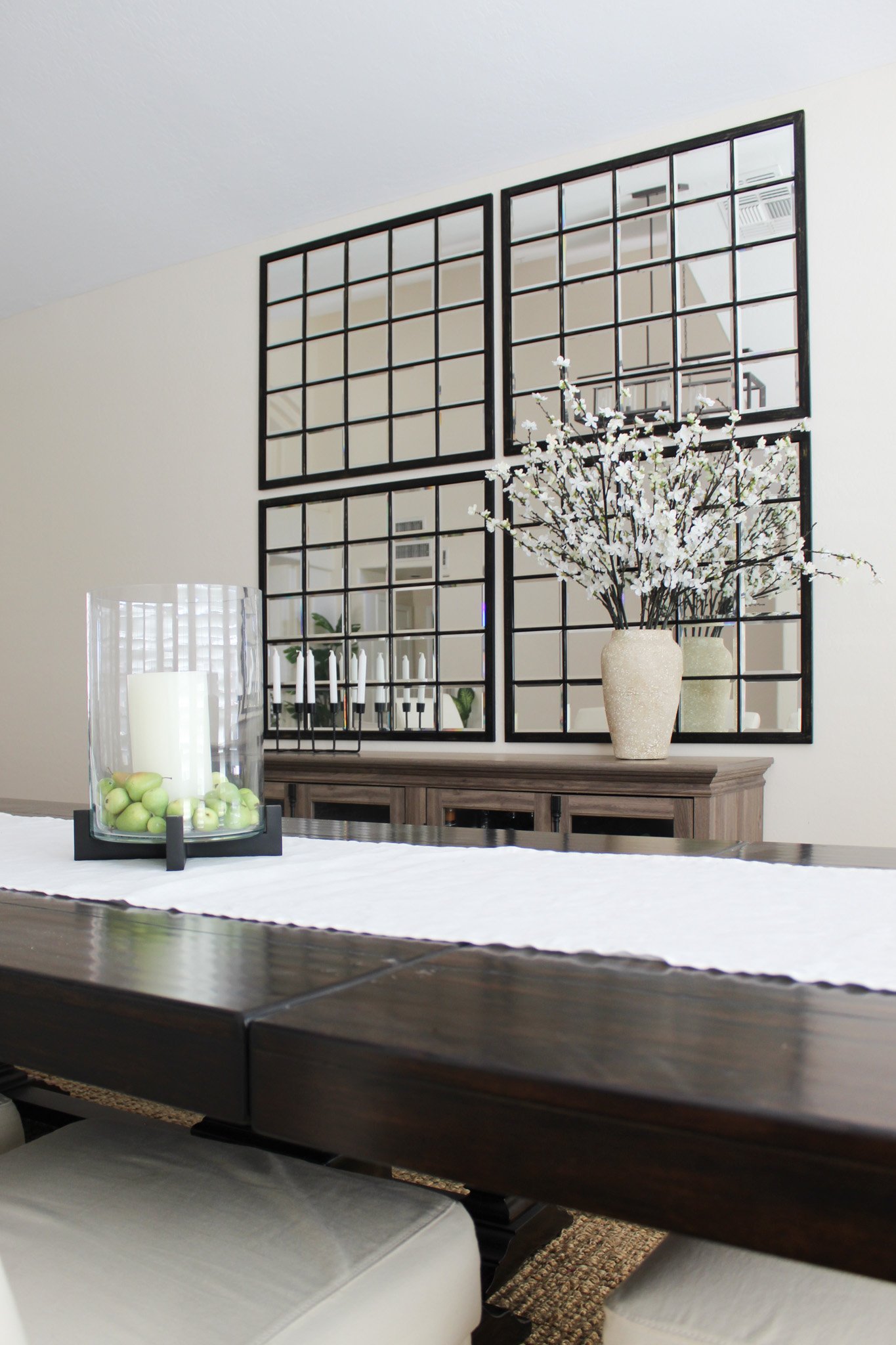
One of the most overlooked benefits of metallic finishes is their ability to reflect light. When placed thoughtfully near windows, lamps, or sconces, gold and silver surfaces bounce illumination around a room—making darker or windowless spaces feel warmer and more alive.
This is particularly effective in internal rooms, where metallic wallpaper, framed art, or decorative objects can subtly lift the atmosphere without relying on brighter paint colours.
A Brief Look Back: Why Metallics Feel Timeless
Metallics have shaped some of the most iconic design eras. Art Deco embraced polished metals and geometry, while mid-century interiors leaned into warm golds and brass. Even minimalist spaces of the 1990s relied on stainless steel and aluminium for structure and clarity.
What’s different today is restraint. Contemporary interiors favour patina, texture, and balance over uniform shine. A slightly imperfect finish feels human, layered, and lived-in—qualities that make a space feel like home rather than a showroom.
How to Avoid Overdoing It
If metallics feel overwhelming, editing is usually the answer. Ask yourself:
Is there a clear lead metal?
Is each finish repeated at least twice?
Does anything feel isolated or accidental?
Often, removing just one overly shiny element restores balance. Metallics are most effective when they support the room—not when they compete for attention.
The Quiet Power of Restraint
Gold and silver don’t need to shout to be impactful. Their true strength lies in subtlety: a warm reflection, a soft contrast, a detail that catches the eye only after you’ve spent time in the space.
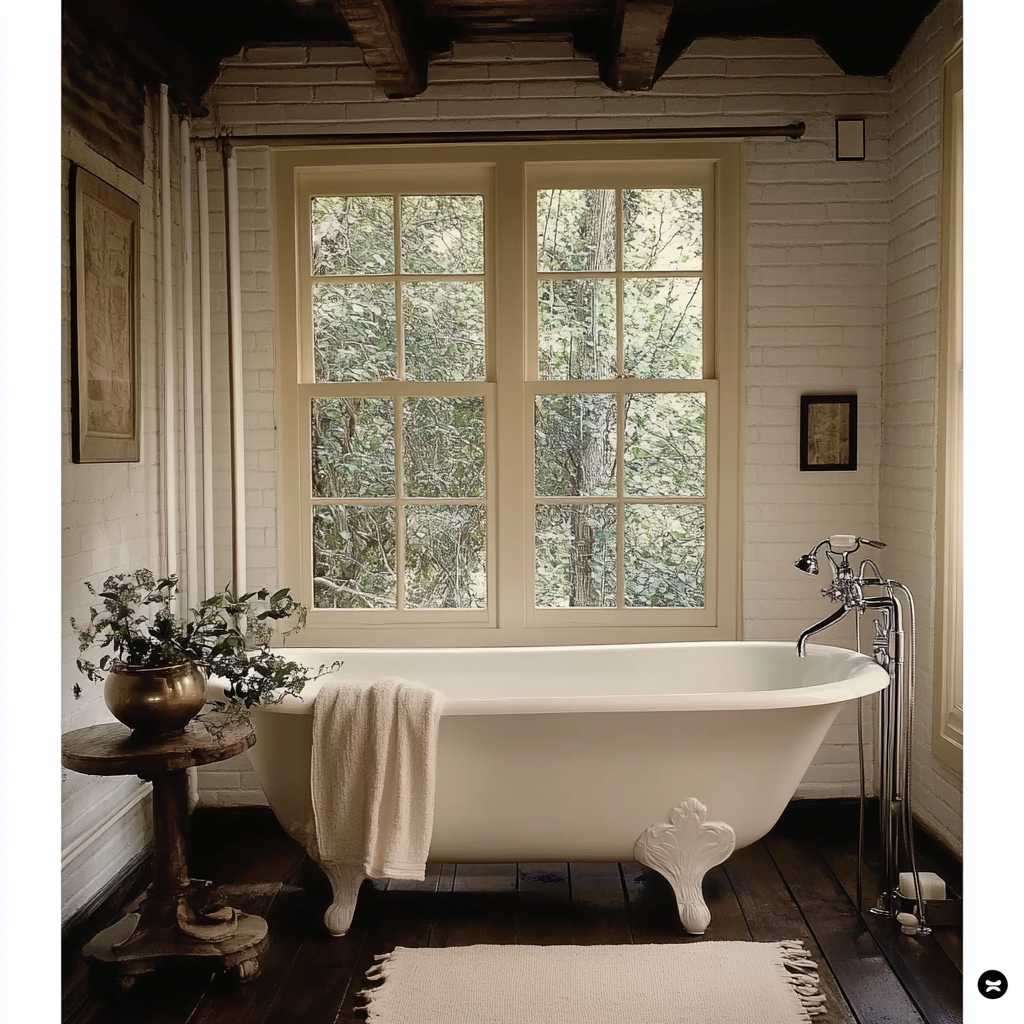
When used thoughtfully, metallics add richness without excess and elegance without effort. They remind us that great design isn’t about more—it’s about choosing the right elements and letting them work together in harmony.
If you’re considering introducing gold and silver into your home and want help finding the right balance, thoughtful guidance can make all the difference. With the right approach, metallics become not just decorative accents but essential tools in creating spaces that feel refined, layered, and timeless.
Questions?
We’re an open book! Schedule a call or fill out the inquiry form below if you’re ready to start.
If you’re not ready, save this blog post for when you are!