Room-by-Room Rug Sizing That Creates a Finished, Cohesive Space
A room can be beautifully styled and still feel slightly “off.” The furniture is right. The colors work. But something isn’t landing the way it should.
In many homes, the missing piece is surprisingly simple: the rug size.
Rugs aren’t just decorative layers. They shape how a space reads. They anchor furniture, define zones, and create visual balance. When a rug is too small, the room can feel disconnected—like everything is floating. When the scale is right, the space feels calm, grounded, and intentional.
Below are the rug rules we return to again and again—broken down by room, with easy measurements you can use before you buy. This helps you feel confident in creating a cohesive, styled space.
The Rug Rule That Fixes Most Rooms
If you remember one thing, make it this:
A larger rug usually makes the room feel larger.
Small rugs visually “shrink” a space by breaking up the floor and separating furniture. A properly sized rug pulls the layout together, making you feel accomplished in designing a polished room.
If you’re choosing between two sizes, the larger option is often the better investment.
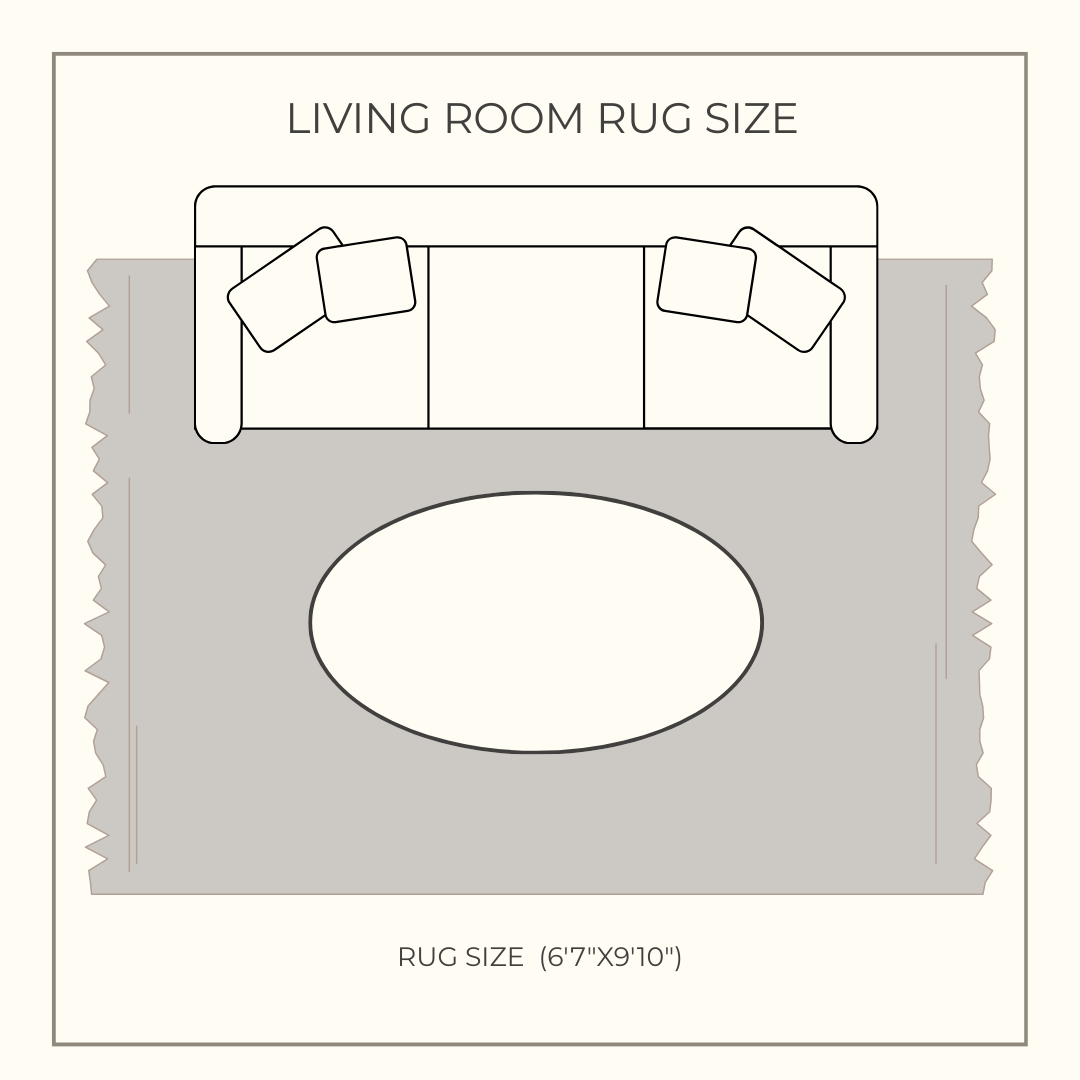
Living Room Rug Rule: Anchor the Seating Zone
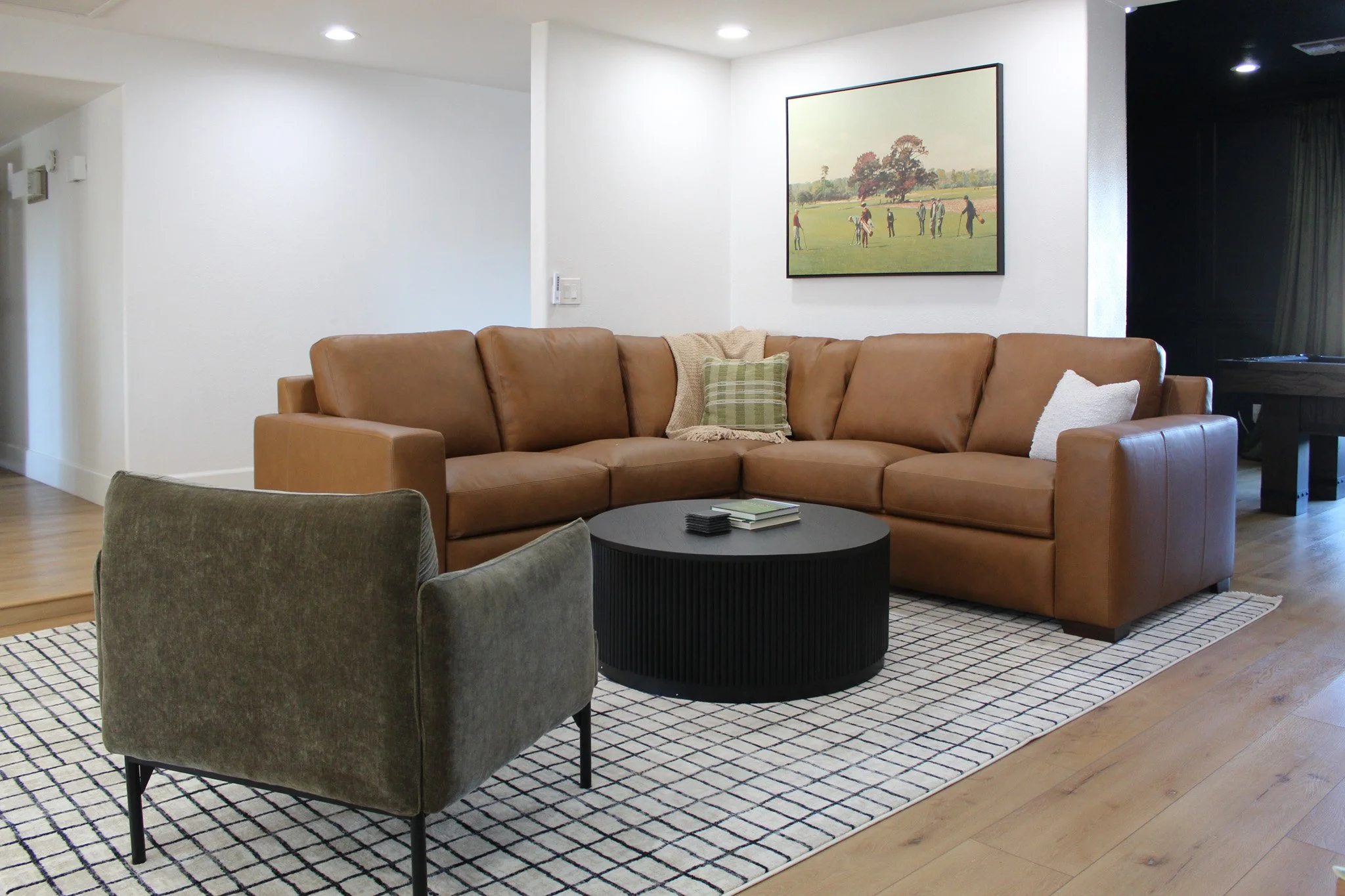
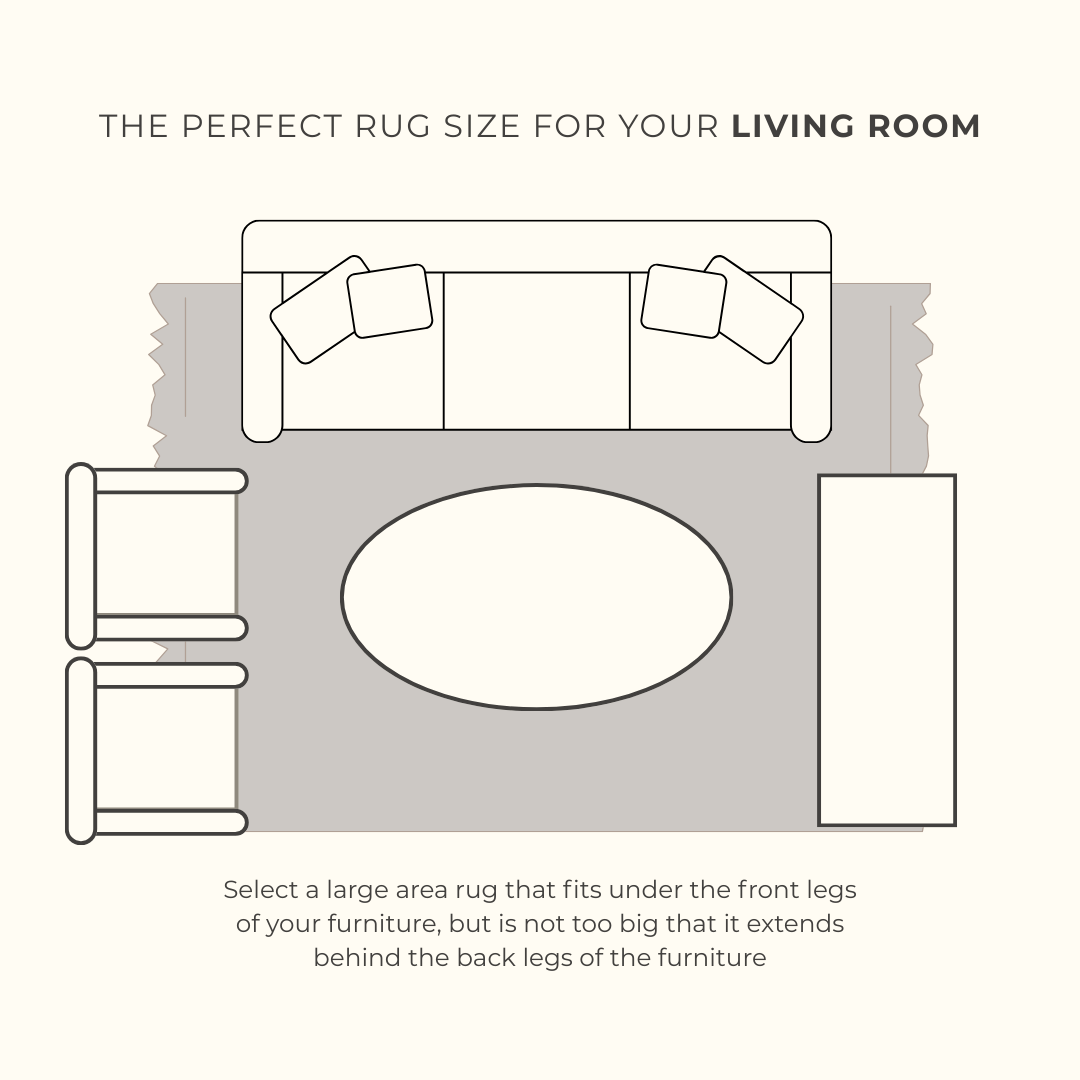
In living rooms, the rug should connect the furniture into one unified conversation area, enhancing flow and visual harmony.
Leave at least 12 inches between the rug edge and the walls.
Place at minimum the front legs of the sofa and chairs on the rug.
Why it works:
When furniture touches the rug, the room reads as one unified zone. If everything sits off the rug, the layout can feel scattered—even with beautiful pieces.
Design note:
If the room is large enough, placing all legs on the rug creates an even more elevated, finished look.
Bedroom Rug Rule: A Soft Landing with Balanced Scale

Bedrooms should feel grounded and comfortable—especially when you step out of bed.
Follow this guideline:
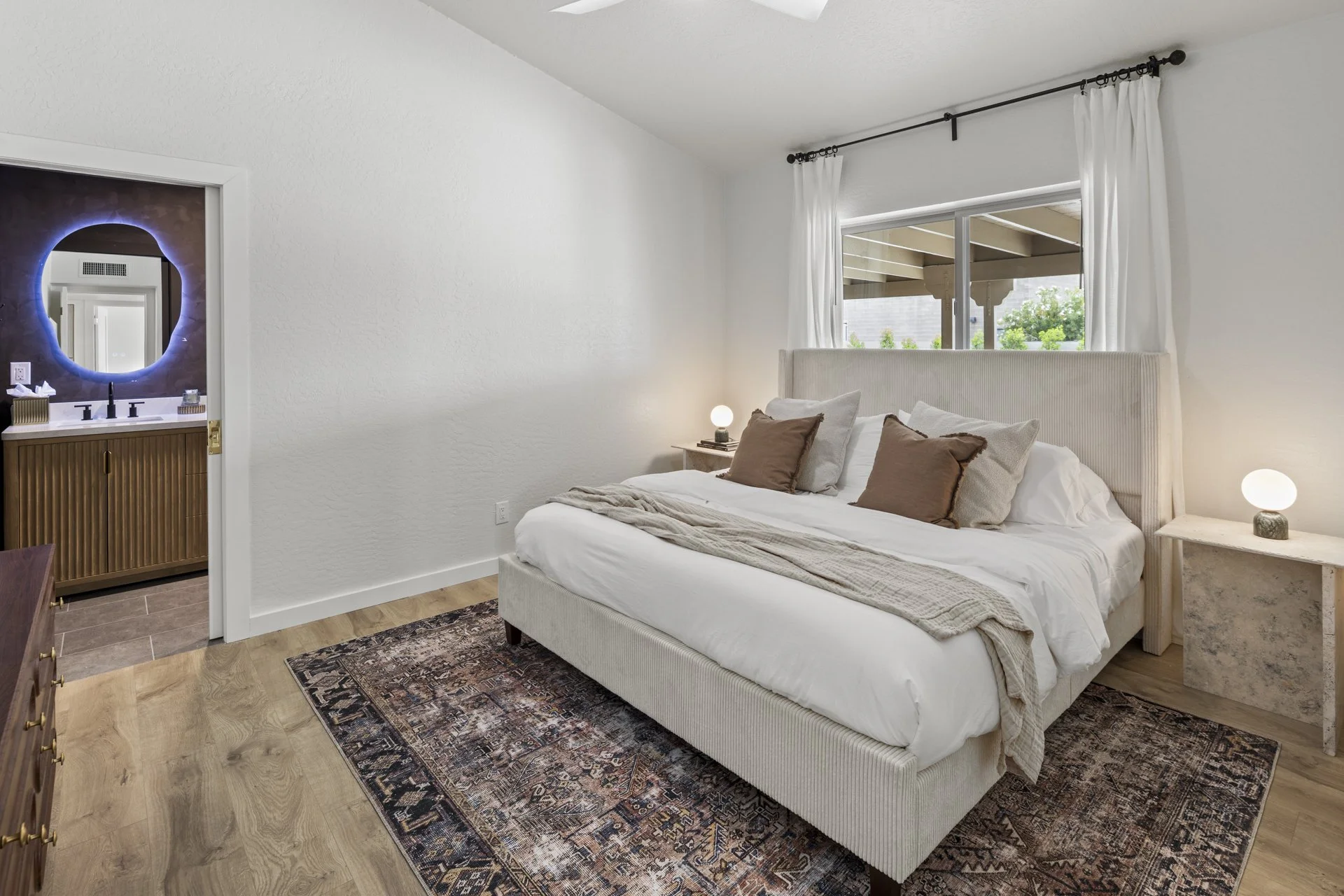
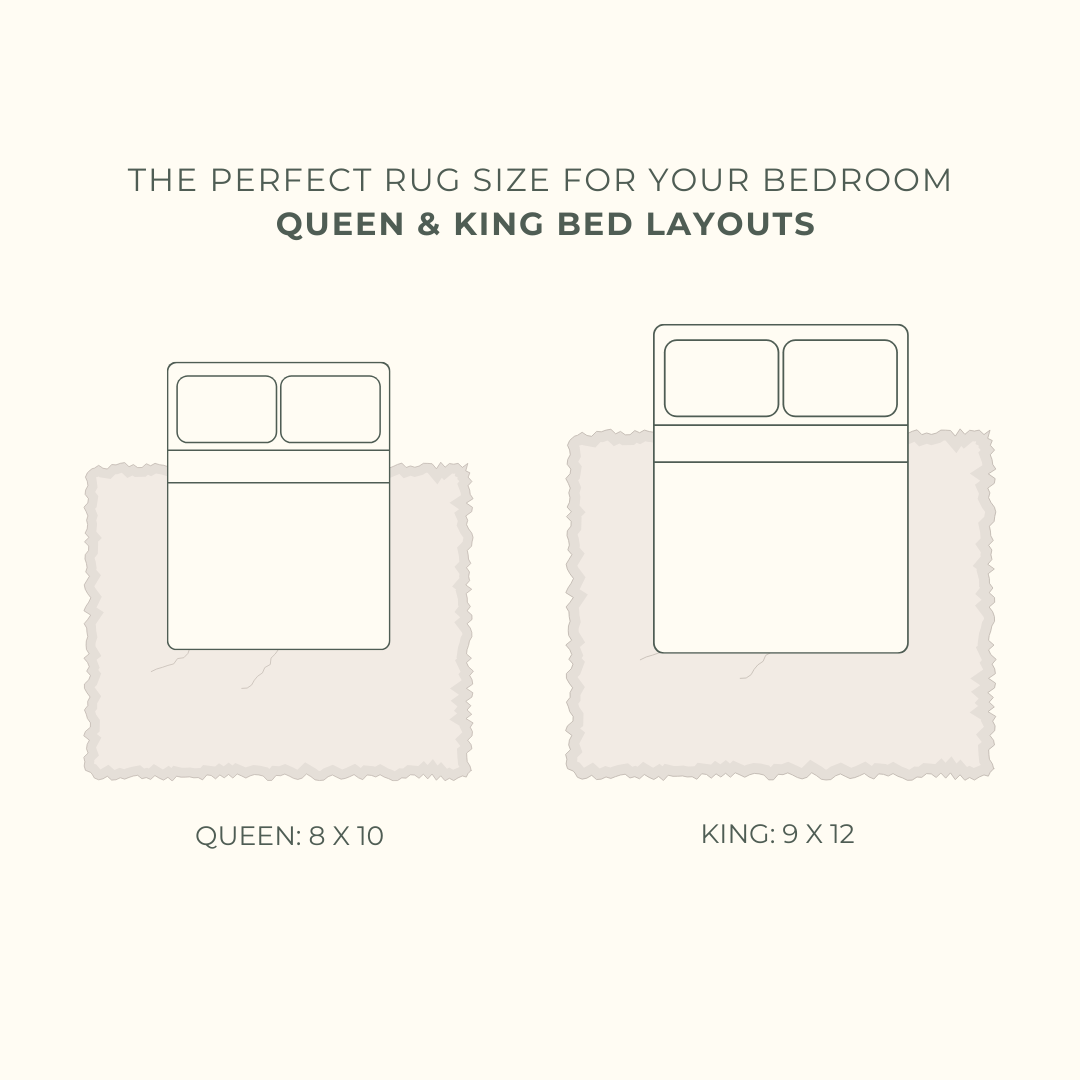
Let the rug extend 2–3 feet beyond the sides and foot of the bed.
Why it works:
That extra border of rug creates a better proportion around the bed and gives you a soft landing area that feels intentional, not tight.
Quick starting sizes (general guide):
Queen bed: often looks best with an 8x10
King bed: often looks best with a 9x12
(Room size and nightstand placement can change this, but it’s a strong starting point.)
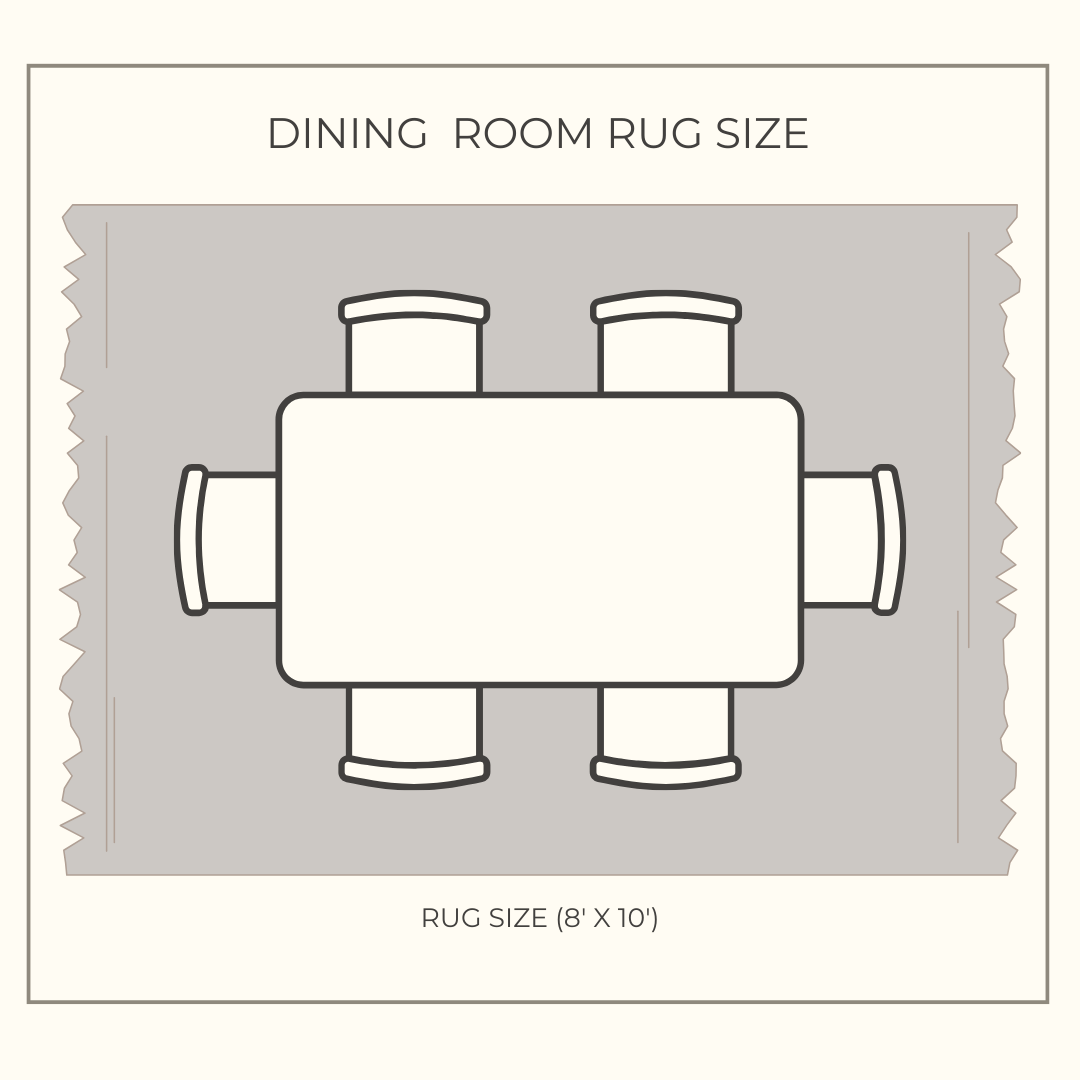
Dining Room Rug Rule: Chairs Stay On the Rug
In dining rooms, the rug has one job: stay functional while still looking clean.
Follow this guideline:
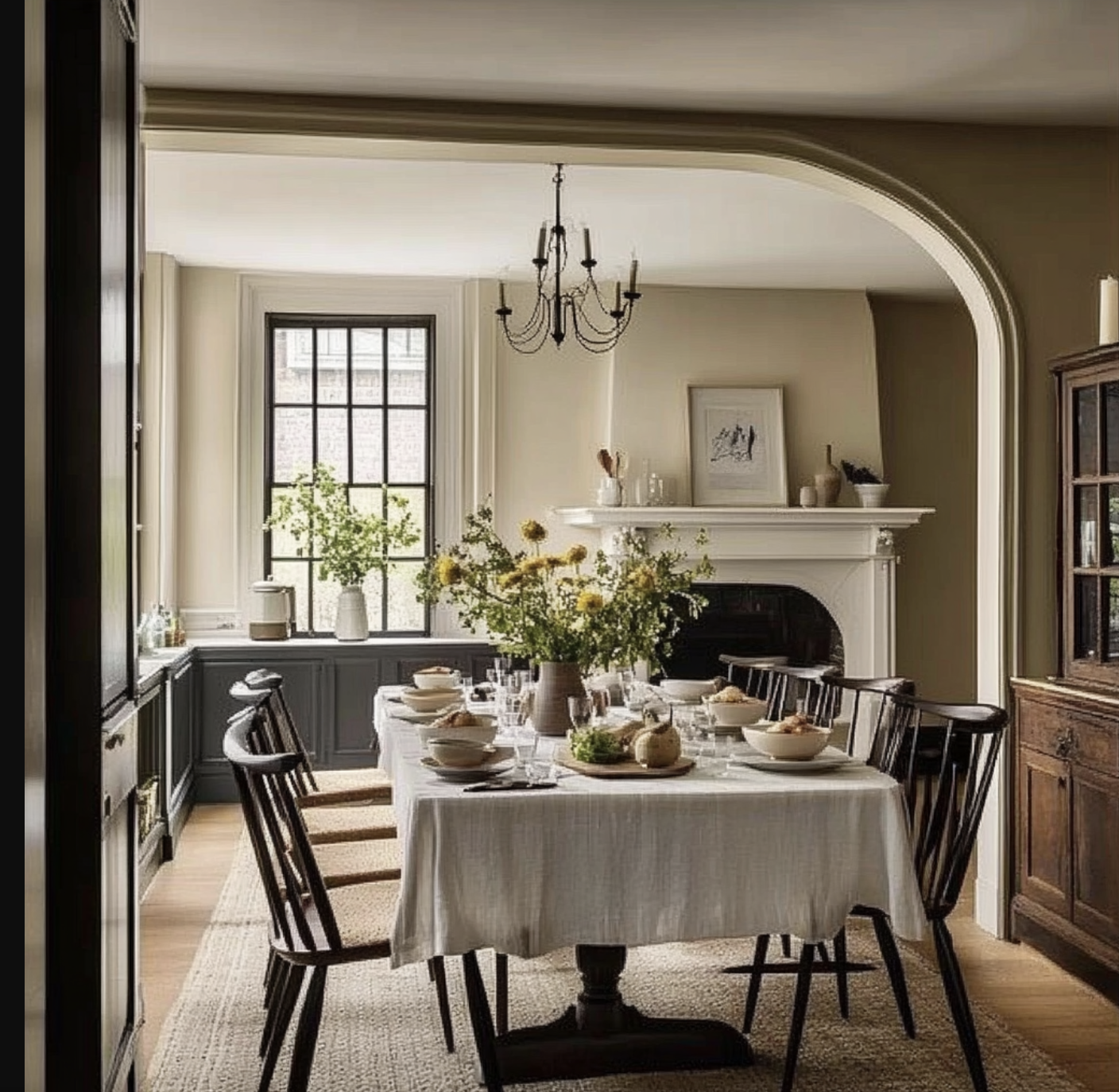
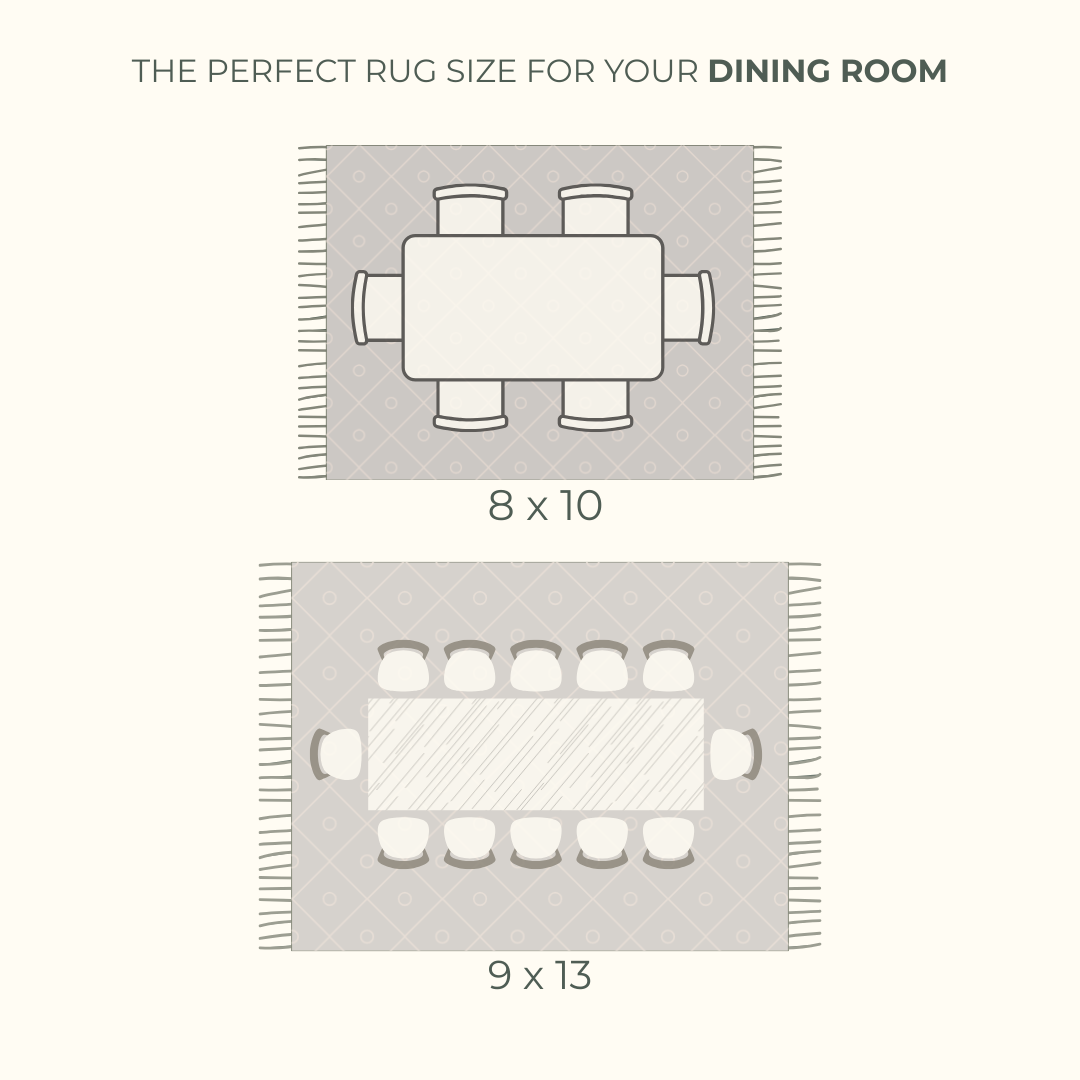
Choose a rug that extends about 2 feet beyond the table on all sides.
Why it works:
A too-small dining rug causes chairs to catch on its edges when pulled out. It feels awkward in real life—and looks visually “tight” in photos.
Practical tip:
Low-pile or flatweave rugs are often easiest under dining chairs, and natural fibers are simpler to clean and maintain.
Entryway and Hallway Rug Rule: Clean Borders and Better Flow
Entryway and Hallway Rug Rule: Clean Borders and Better Flow
The entry sets the tone. A rug here should feel tailored—as it belongs in the space.
Follow this guideline:
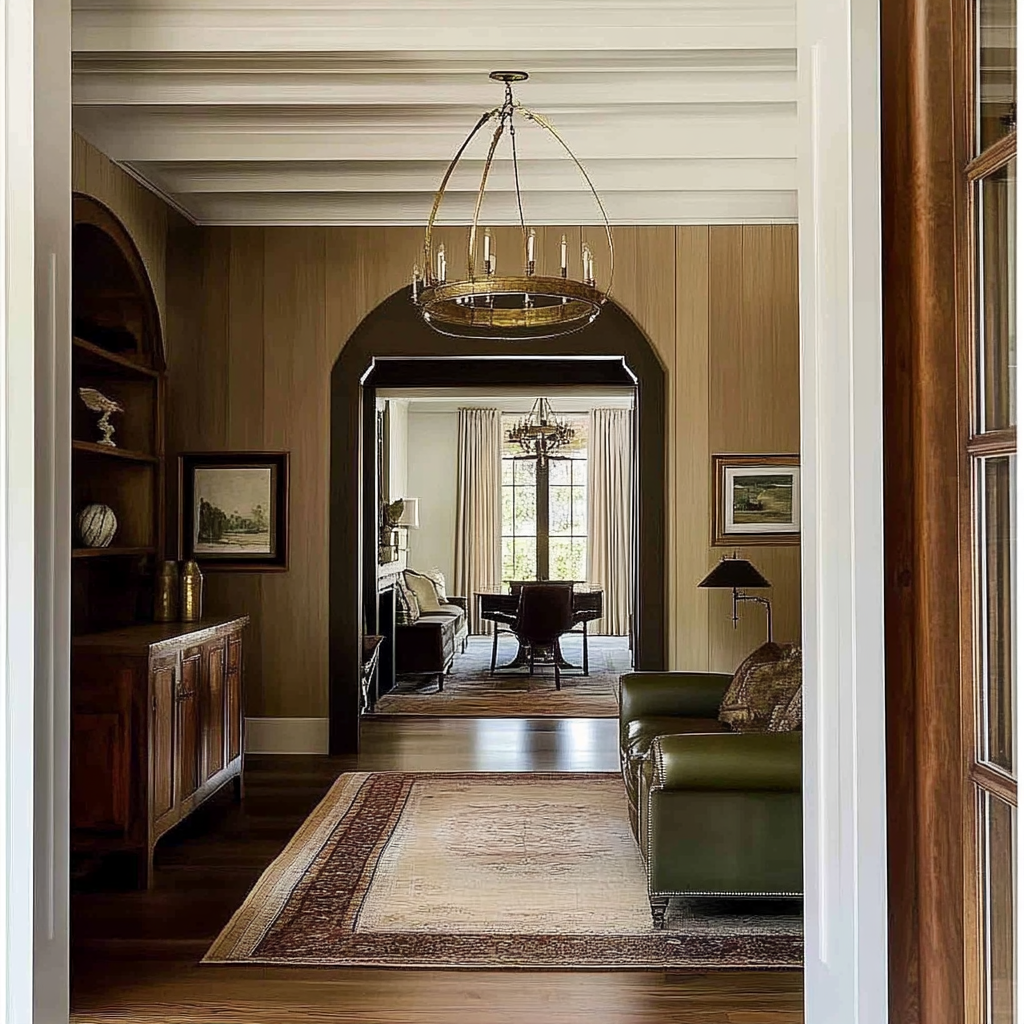
For an entry, leave at least 12 inches from the door frame. A 3x5 or 4x6 works best for an entry.
Make a hallway runner at least 8 inches narrower than the hallway.
Why it works:
That thin border of visible floor creates breathing room and makes the rug look properly sized rather than squeezed into place.
Durability note:
Entry rugs work hardest. Choose durable, low-profile materials that can handle daily traffic.
Bathroom Rug Rule: Align with the Vanity + Keep Clearances
Bathrooms require softness, but spacing matters even more because their footprints are smaller.
Follow this guideline:
Keep the rug smaller than the vanity, leaving about 6 inches of space on each side.
Keep about 2 feet of clear space in front of the toilet and shower.
Why it works:
A rug aligned to the vanity looks clean and intentional. Clearances keep the bathroom functional and prevent that cramped, crowded feeling.
The 2-Minute Measuring Method (Before You Buy) is designed to help you feel assured and prepared, so you can confidently select the right size without second-guessing.
If you want to confirm sizing quickly, do this once, and you’ll feel confident.
Use painter’s tape to outline the rug size on the floor
Step back and check the border around the room
Confirm furniture placement (front legs on, chair clearance, walk paths)
Walk the space to make sure it feels easy and natural
It’s simple—and it saves you from expensive returns and re-orders.
Common Rug Mistakes We See (and How to Avoid Them)
The “small rug in the middle” effect in living rooms
Rug edges are aligned too tightly with the walls
Dining rugs that don’t allow chairs to move easily
Bedroom rugs that stop at the bed edge (no soft landing zone)
Choosing pattern first, size second
Size is the foundation. Once the scale is right, pattern and color become much easier choices.
Final Takeaway
If a room feels unfinished, don’t assume you need new furniture.
Start with scale. Start with the rug.
A well-sized rug makes a space feel more cohesive, more elevated, and more intentionally designed—often with the least amount of change.
Want help selecting the right rug size?
Share your room measurements and a photo, and we’ll guide you in the right direction.
Questions?
We’re an open book! Schedule a call or fill out the inquiry form below if you’re ready to start.
If you’re not ready, save this blog post for when you are!