The Hidden Cost of Doing Nothing: How a Dysfunctional Home Design Impacts Daily Life
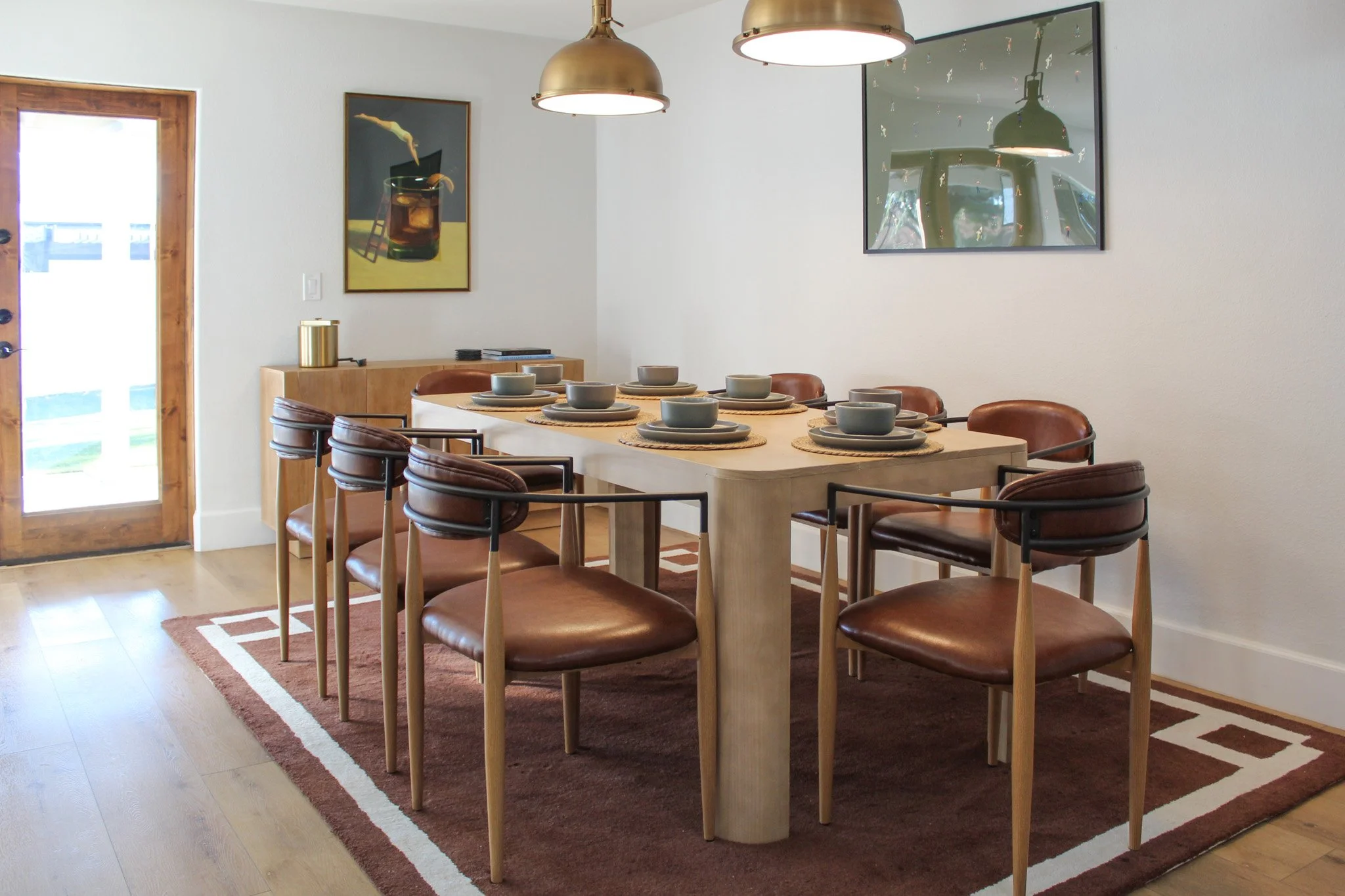
A dysfunctional home design doesn’t just affect how your space looks—it quietly impacts your mood, productivity, and daily routines.
Most homeowners don’t think of “doing nothing” as a decision. It feels neutral—like you’re simply waiting for the right time, the right budget, or the right moment to make changes.
But in reality, doing nothing is still a choice.
And over time, it comes with a cost.
At first, it shows up subtly. A kitchen that feels harder to move through than it should. A living room that looks fine but never quite feels complete. Storage that doesn’t work the way your life actually functions.
Individually, these issues seem small. Together, they shape how your home feels—and how you experience your daily life.

How Dysfunctional Home Design Affects Your Daily Routine
When a space isn’t designed around your routines, it creates small points of friction throughout the day. Many people don’t realize their dysfunctional home design is the reason they feel constantly overwhelmed.
You might find yourself:
Reaching around clutter to access everyday items
Walking extra steps because the layout doesn’t flow
Adjusting to lighting that feels too harsh or too dim
None of these feel like major problems. But they repeat daily.
Over time, your home stops feeling supportive and starts feeling slightly exhausting.
Thoughtful design removes that friction. It simplifies movement, improves flow, and allows your space to work with you instead of against you. Fixing a dysfunctional home design often starts with understanding flow and functionality.
Decision Fatigue You Didn’t Realize Was Coming From Your Home
Every inefficient space creates extra decisions.
Where should this go? Why is this so hard to find? How do I make this work—again?
These micro-decisions build up quickly. By the time your day begins, you’ve already spent energy navigating your environment.
A well-designed home reduces that mental load. It creates clarity—so your energy can go toward your life, not managing your space.
The “Almost There” Spending Pattern
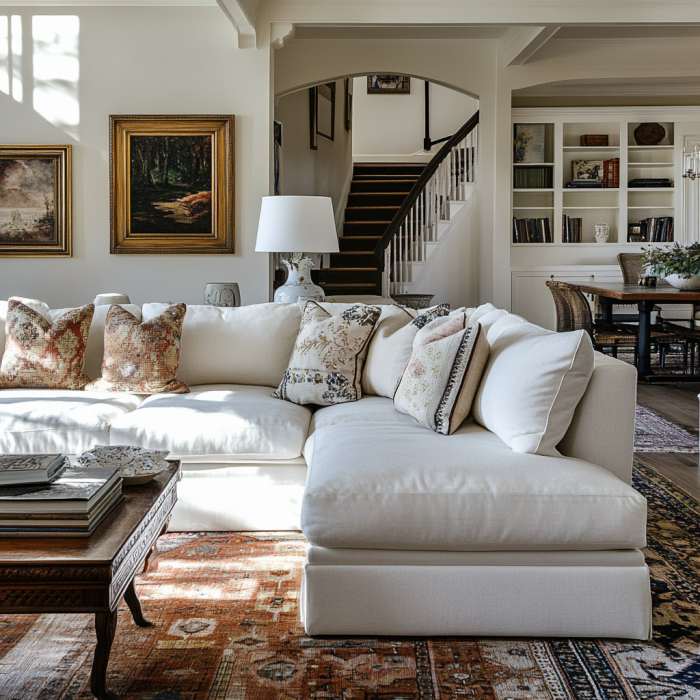
One of the most common outcomes of doing nothing is the cycle of partial fixes.
You try to improve the space piece by piece:
A new rug
A different light fixture
Additional storage
Each purchase feels like progress. But without a clear plan, the room rarely comes together in a meaningful way.
Instead, the space remains “almost there.” A more strategic approach—like a full home renovation plan—ensures every element works together from the beginning, avoiding repeated purchases and mismatched results. Instead, the space remains “almost there.”
This often leads to:
Replacing items sooner than expected
Buying duplicates
Spending more without achieving a finished result
Intentional design looks at the full picture from the beginning. Every choice is connected, which prevents unnecessary spending over time.
The Stress You’ve Learned to Ignore
One of the most overlooked impacts of a dysfunctional space is how it affects your baseline stress.
You may stop consciously noticing what isn’t working—but your body doesn’t.
Tight layouts, visual clutter, and incomplete spaces create subtle tension. It becomes harder to fully relax, even when you’re at home.
A well-designed environment does the opposite. Whether it’s a personal residence or an Airbnb design project, intentional layouts create spaces that feel calm, functional, and effortless to live in.

The Time You Don’t Get Back
The biggest cost of doing nothing isn’t financial—it’s time.
Time spent:
Living in a space that doesn’t reflect you
Navigating avoidable frustrations
Waiting for a “someday” that keeps moving further away
Your home is where daily life happens. It should support you now, not later.
Design Is About How Life Feels, Not Just How It Looks
It’s easy to think of interior design as purely visual. But the real value goes deeper.
Simplifies your routines
Supports your lifestyle
Creates a sense of calm and clarity
It’s not just about finishes or furniture—it’s about how your space functions and how it makes you feel every day.
Moving From Stuck to Intentional
The shift doesn’t have to feel overwhelming.
With the right approach, design becomes a structured, guided process—one that removes uncertainty instead of adding to it.
When your space is aligned with your needs, everything changes:
Mornings feel smoother
Evenings feel more relaxed
Your home finally feels complete
Final Thought
Doing nothing might feel like the easier choice in the moment. But over time, it’s often the most expensive one.
Because the real cost isn’t just money—it’s the daily experience of living in a space that doesn’t fully support you.
When that changes, everything else becomes easier.
Frequently Asked Questions
Why does my home feel stressful?
A home often feels stressful when it doesn’t support your daily routines. Cluttered layouts, poor storage, and inefficient flow create small points of friction throughout the day. Even if you’ve gotten used to it, your environment still impacts your mood and energy. A well-designed space reduces that tension by creating clarity, order, and ease.
How does layout affect daily life?
Layout shapes how you move through your home. When spaces are poorly planned, everyday tasks take more time and effort—whether it’s cooking, getting ready, or simply relaxing. A functional layout improves flow, reduces unnecessary movement, and makes routines feel smoother and more intuitive.
Is interior design worth the investment?
Interior design is not just about aesthetics—it’s about improving how your home functions. A thoughtful design plan helps you avoid costly mistakes, reduces the need for repeated purchases, and creates a space that supports your lifestyle long-term. The real value comes from the time, energy, and stress it saves in your daily life.
What are signs my home layout isn’t working?
Common signs include constant clutter, difficulty finding or storing items, awkward furniture placement, and spaces that feel unfinished or uncomfortable. If daily routines feel harder than they should, your layout may need to be rethought.
Can small design changes really make a difference?
Yes. Even small adjustments—like improving storage, reworking furniture placement, or upgrading lighting—can significantly improve how a space functions. However, the most impactful results come from looking at the space as a whole and creating a cohesive plan.
Questions?
We’re an open book! Schedule a call or fill out the inquiry form below if you’re ready to start.
If you’re not ready, save this blog post for when you are!