If Your Home Feels “Off,” Check These 3 Things First (Easy Fixes)
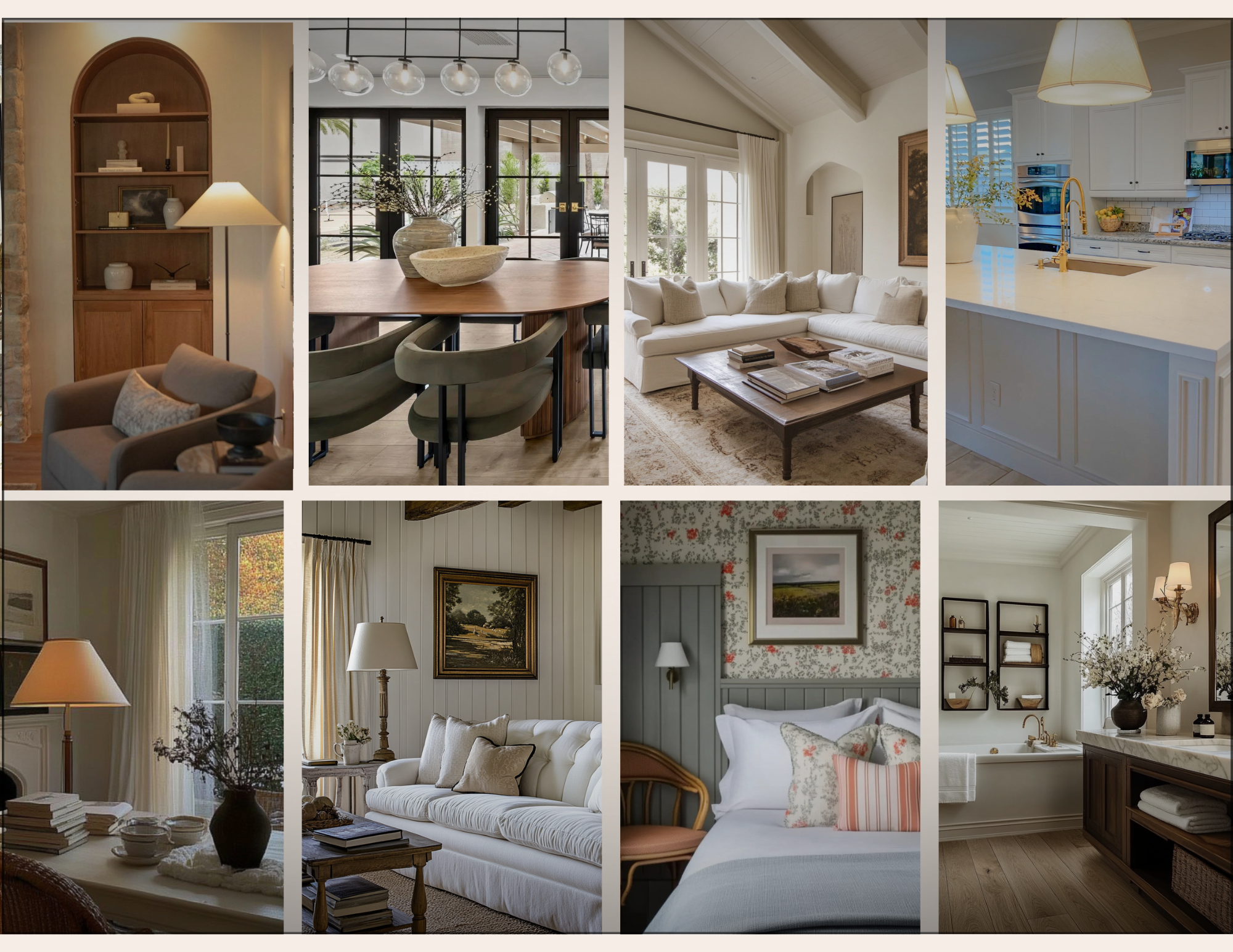
You know the feeling.
You walk into your home after a long day, glance around, and something just… doesn’t feel right.
Nothing is obviously wrong. Your furniture is there. The colors aren’t terrible. It’s not messy or broken. And yet, the space doesn’t feel cozy, inviting, or fully pulled together the way you want it to.
If your home feels off, you’re not alone—and more importantly, you’re not stuck.
Many homeowners immediately assume they need to spend more money. They start thinking about buying new furniture, repainting every wall, or even planning a full renovation. But here’s the truth most people don’t realize:
The issue usually isn’t what you have—it’s how it’s working together.
In most cases, just a few foundational design elements are slightly misaligned. And when you fix them, everything starts to click into place.
After years of observing and helping others improve their spaces, three things consistently make the biggest difference:
Scale
Lighting
Cohesion
Get these right, and your home will feel more balanced, comfortable, and intentional—often without spending much at all.
Let’s break each one down with practical examples, common mistakes, and easy fixes you can try this weekend.
1. Your Scale Is Off — The Most Common Hidden Culprit
If a room feels awkward, empty, or disconnected, scale is usually the problem.
Scale refers to how the size of your furniture, rugs, artwork, and accessories relate to the size of the room—and to each other.
When scale is off, even beautiful and expensive pieces can make your space feel unfinished.
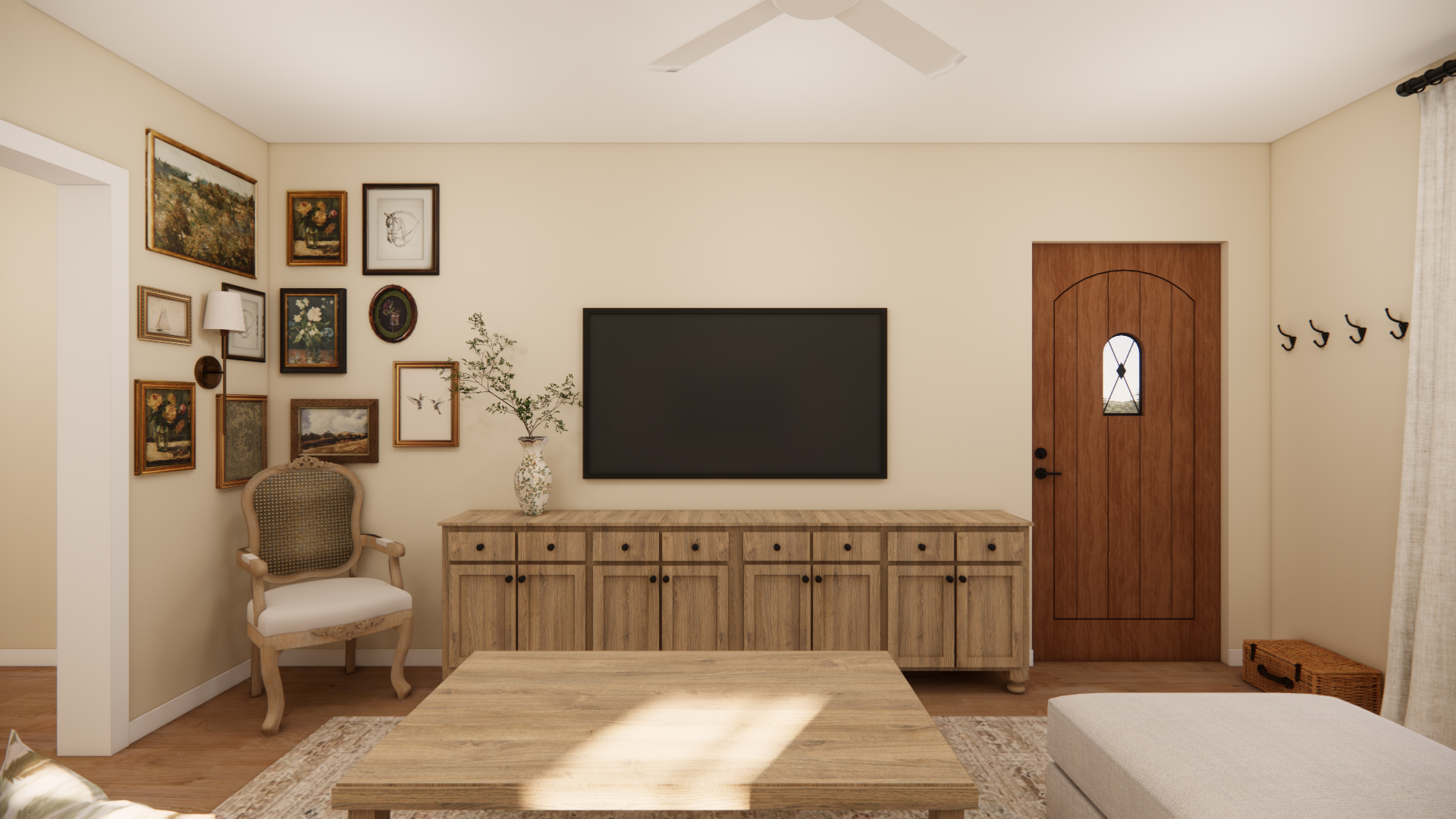
What “Off” Scale Looks Like
A small rug sitting in the middle of the room, with furniture floating around it
Artwork that looks tiny on a large wall
A coffee table that feels either too small or too bulky
Furniture pushed against the walls, leaving an empty center
Oversized sofas in small rooms—or tiny furniture in large spaces
You may not consciously notice it, but your brain does. And it creates that subtle feeling that something isn’t quite right.

Why Scale Matters
Our eyes naturally look for balance and proportion.
When everything is sized correctly, the room feels grounded and comfortable. When it’s not, the space feels either crowded or disconnected.
Think of scale as the foundation of your room. If it’s off, nothing else will feel right—no matter how stylish your decor is.

Easy Fixes for Better Scale
You don’t need to replace everything. Small adjustments can make a huge difference.
Fix Your Rug First
Your rug should anchor the entire seating area.
At minimum: front legs of all furniture should sit on the rug
Ideally: all legs are fully on the rug
Too small? Layer a larger neutral rug underneath
Resize Your Artwork
Aim for artwork that fills around 2/3 of the wall space
For gallery walls, treat the whole arrangement as one large piece
Adjust Your Furniture Layout
Pull furniture away from walls
Bring seating closer together
Create a conversation zone, not a waiting room
Choose the Right Coffee Table
Length: about half to two-thirds of your sofa
Height: within 2–4 inches of seat height
Mind Your Walkways
Ideal spacing: 30–40 inches
Smaller rooms: minimum 18–24 inches
Quick Win You Can Do Today
Take a step back and look at your room:
Is anything “floating”?
Does the rug feel too small?
Is furniture too far apart?
Fix just one of these, and you’ll immediately notice improvement.
2. Your Lighting Is Working Against You — The Mood Killer
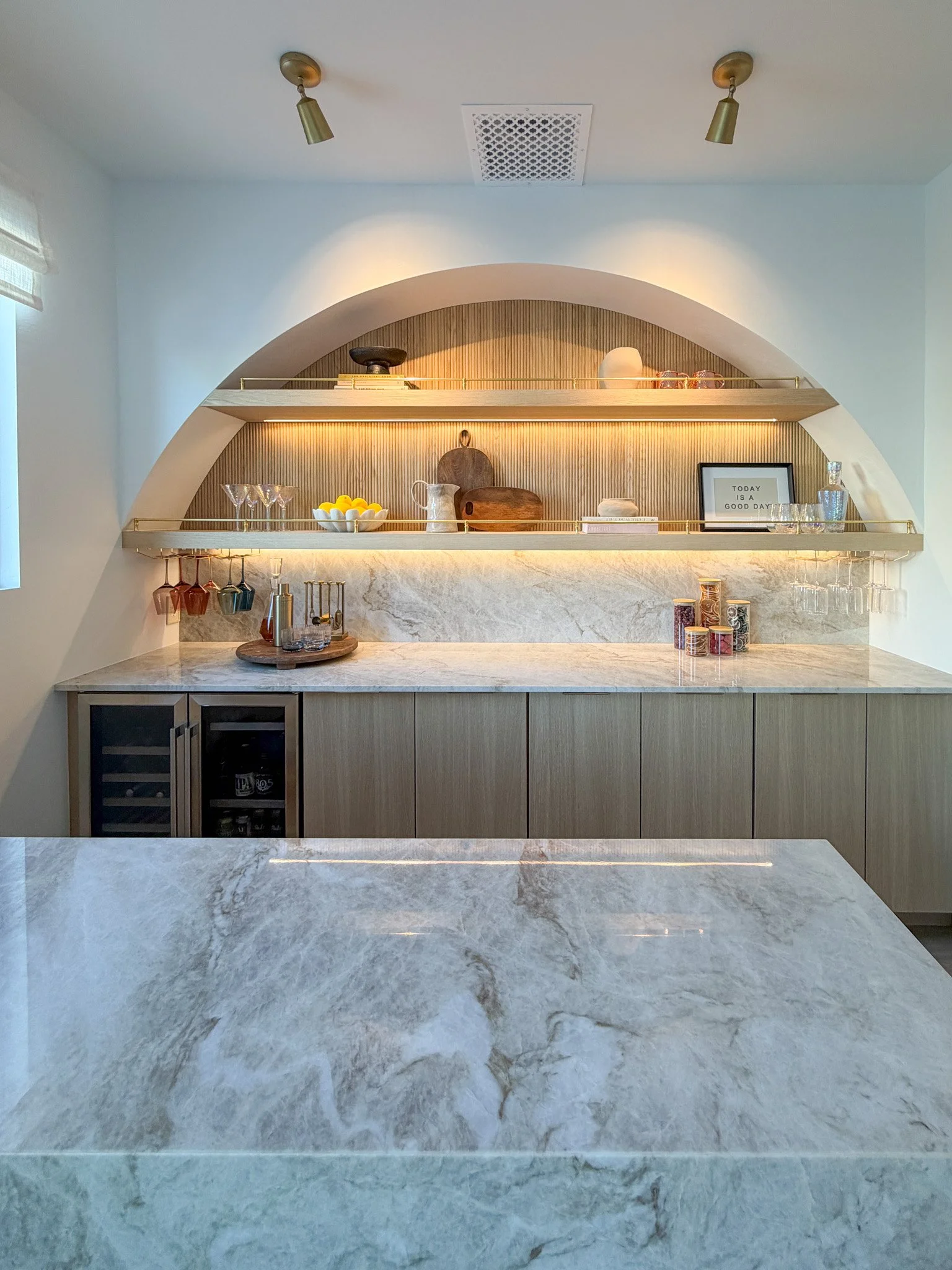
Lighting is one of the most powerful—and most overlooked—elements in home design.
You can have perfect furniture and layout, but if your lighting is wrong, your home will still feel off.
Common Lighting Mistakes
Only using one overhead light
Harsh, cool-toned bulbs (5000K+)
Rooms that feel too dark or too bright
No variation in lighting levels
Ignoring corners or shadow areas
If your space feels flat, cold, or uninviting—lighting is likely the issue.
Why Lighting Matters
Lighting affects how your home feels emotionally.
It creates:
Warmth
Depth
Comfort
Atmosphere
Without layered lighting, your space feels one-dimensional.
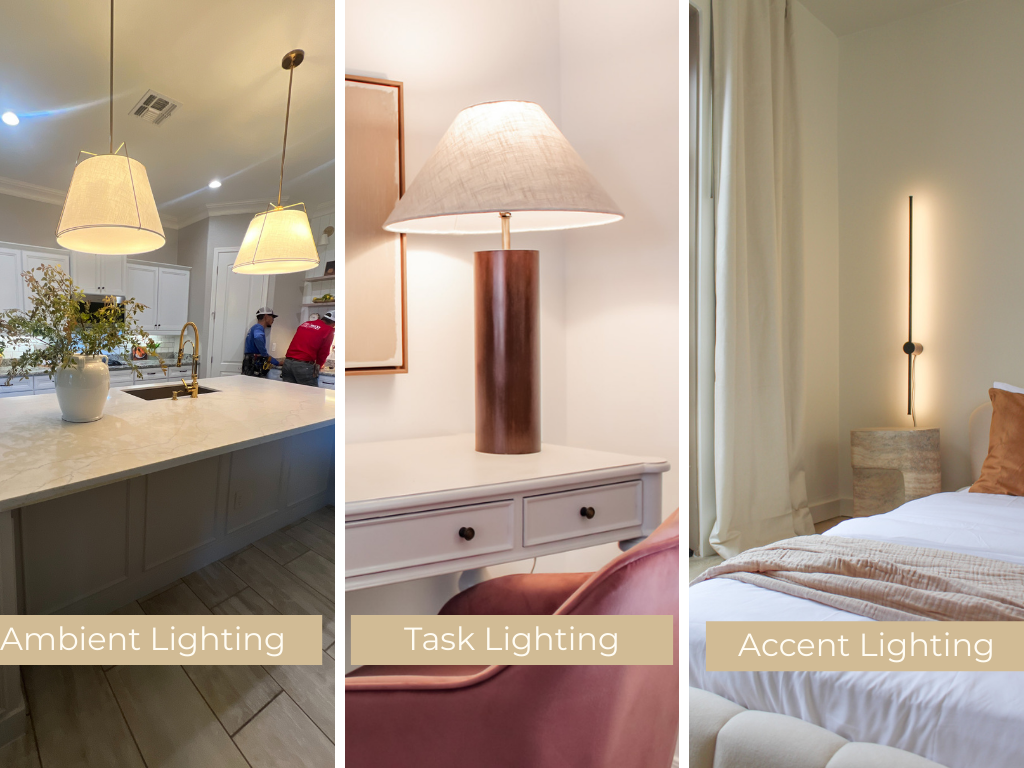
The 3 Types of Lighting You Need

1. Ambient Lighting
General lighting (ceiling lights, large lamps)
2. Task Lighting
Focused lighting (reading lamps, desk lamps, kitchen lights)
3. Accent Lighting
Decorative lighting (sconces, LED strips, uplighting)
The magic happens when you combine all three.
Simple Lighting Fixes That Work Instantly
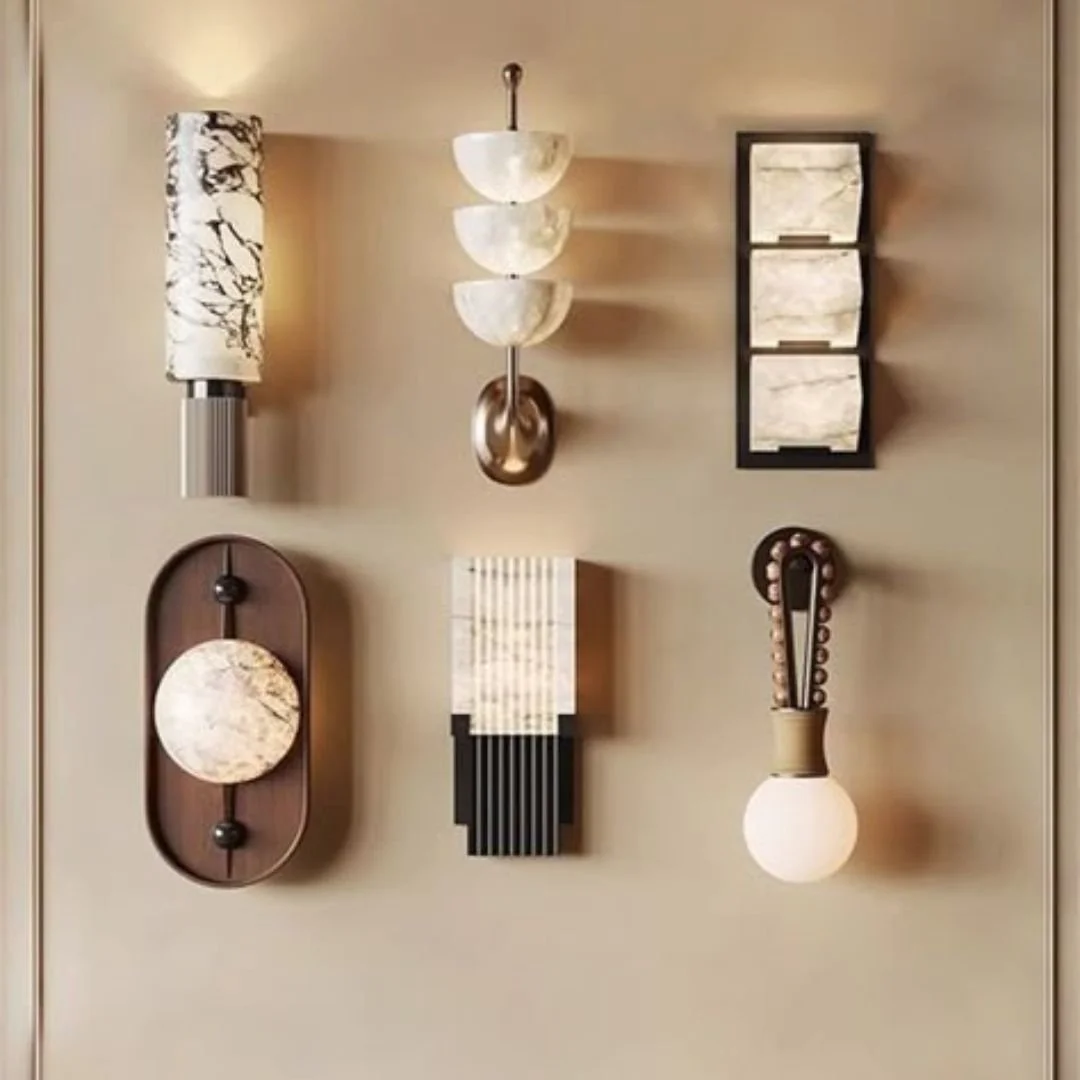
Add More Light Sources
Every room should have at least 2–3 light sources.
Switch to Warm Bulbs
Use 2700K–3000K for a cozy feel
Avoid overly cool, blue lighting
Use Lamps Instead of Overhead Lights
At night:
Turn off ceiling lights
Use table and floor lamps
This single change can transform your space instantly.
Light the Corners
Dark corners make rooms feel smaller and dull.
Add:
Floor lamps
Small uplights
Decorative lighting
Install Dimmers (If Possible)
Dimmers let you adjust mood throughout the day.
Room-by-Room Ideas
Living Room:
Floor lamp + table lamps + soft ambient light
Bedroom:
Bedside lamps + warm overhead lighting
Entryway:
Soft, welcoming lighting
Quick Win You Can Do Tonight
Turn off your overhead lights this evening and switch on only lamps.
You’ll immediately feel the difference—warmer, calmer, more inviting.
3. There’s No Cohesion — The Sneaky Disjointed Feeling
This is the most subtle—but powerful—reason your home feels off.
You can have beautiful items… but if they don’t relate to each other, your space feels scattered.

Signs of Poor Cohesion
Too many wood tones without a plan
Mixing styles randomly
No consistent color palette
Rooms that feel unrelated
Accessories that don’t match anything else
It’s not about having bad taste—it’s about lacking connection.
Why Cohesion Matters
A cohesive home feels:
Calm
Intentional
Balanced
Comfortable
Without it, your space feels chaotic—even if everything is nice individually.
How to Create Cohesion Easily
Choose a Color Palette
Stick to 3–5 main colors
Use the 60–30–10 rule:
60% dominant color
30% secondary
10% accent
Repeat Materials
Use consistent:
Wood tones
Metal finishes
Fabrics
Define Your Style Direction
Pick one main style:
Modern
Cozy traditional
Minimal
Organic
Then layer similar elements—not random ones.
Carry Elements Between Rooms
Repeat:
Colors
Textures
Finishes
This creates flow throughout your home.
Edit Your Space
Remove anything that:
Doesn’t match
Feels random
Adds clutter
Less is often more.
Quick Win You Can Do Today
Pick one item you love (rug, sofa, or artwork).
Use it as your anchor, and adjust everything else to match its colors and style.
The Bottom Line: Small Changes, Big Impact
If your home feels off, don’t rush to buy more.
Instead, check these three things first:
Is your scale balanced?
Is your lighting warm and layered?
Does your space feel cohesive?
Most of the time, fixing these will completely transform how your home feels.
And the best part?
You don’t need a huge budget. You just need the right adjustments.
Final Thoughts: Your Home Should Feel Like You
A beautiful home isn’t about having the most expensive furniture or following every trend.
It’s about creating a space that:
Feels comfortable
Reflects your personality
Supports your daily life
When scale, lighting, and cohesion are aligned, your home stops feeling “off”—and starts feeling like a place you truly enjoy being in.
Let’s Make It Interactive
Now I’d love to hear from you:
Which one do you think is affecting your home the most—scale, lighting, or cohesion?
Or have you already fixed one of these and noticed a difference?
Drop your thoughts in the comments—your experience might help someone else transform their space too.
Questions?
We’re an open book! Schedule a call or fill out the inquiry form below if you’re ready to start.
If you’re not ready, save this blog post for when you are!