2026 Interior Design Forecast-Where Comfort, Nature, and Personality Take the Lead
In 2026, interior design trends are less about chasing trends and more about how spaces make us feel.
After years of minimalism, cool neutrals, and streamlined living, homes are shifting toward warmth and character — a transition also explored in From Minimalism to Warm Modern. We’re entering an era defined by comfort, connection, and personality-driven design.
Designers are responding to how we actually live now — craving warmth over austerity, depth over flatness, and homes that support wellness, creativity, and individuality. The result? Interiors that feel layered, intentional, and deeply personal.
Below, we explore the defining interior design movements shaping 2026 — building on 2025’s strongest signals and showing how they’re evolving into more refined, livable expressions.
Biophilic Design 2.0: A Deeper Relationship With Nature
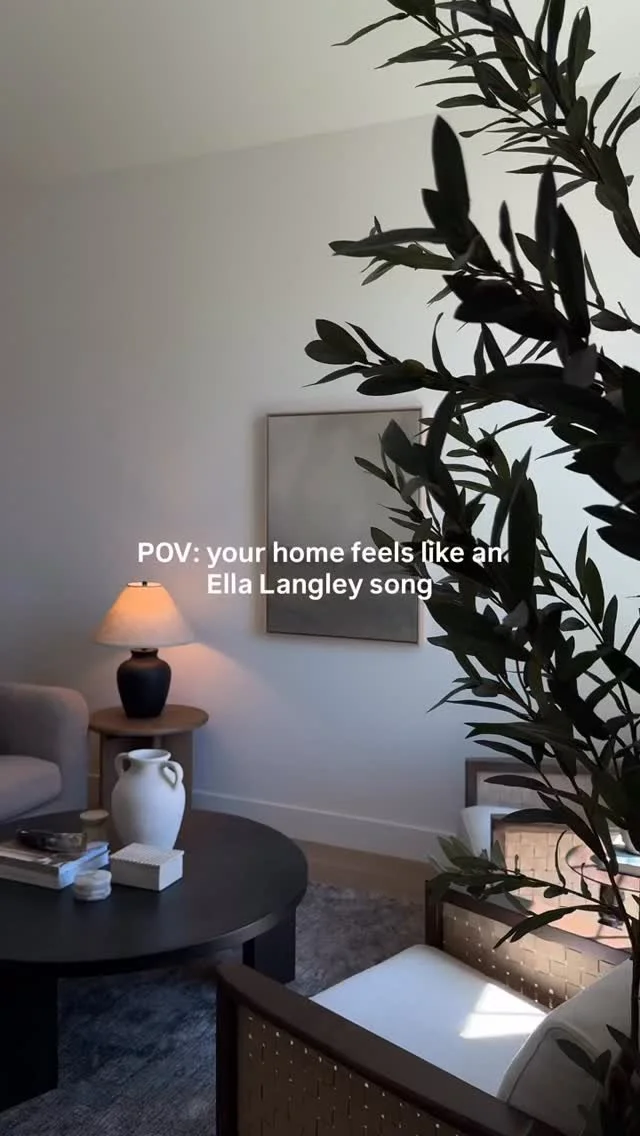
Biophilic design isn’t new — but in 2026, it becomes more immersive and intentional. 2026 interior design trends are rather than simply adding a houseplant to a corner; designers are integrating nature as a structural element of the home. Think indoor trees anchoring open spaces, living walls that improve air quality, and organic materials like cork, bamboo, and raw wood used throughout the architecture itself.
This evolution is about well-being, not decoration. Natural light, tactile materials, and greenery work together to create spaces that calm the nervous system and reconnect us with the outdoors — even in urban homes.
In 2026 interior design trends, nature isn’t an accent. It’s a design partner.
Comfort-First Interiors: A Shift Toward Softness and Ease
The ultra-sleek, showroom-style home is officially giving way to interiors designed for real life.
Comfort-first design prioritizes: how to design a modern home with timeless style, where livability comes first.
Plush, generously scaled sofas
Ergonomic seating that supports long use
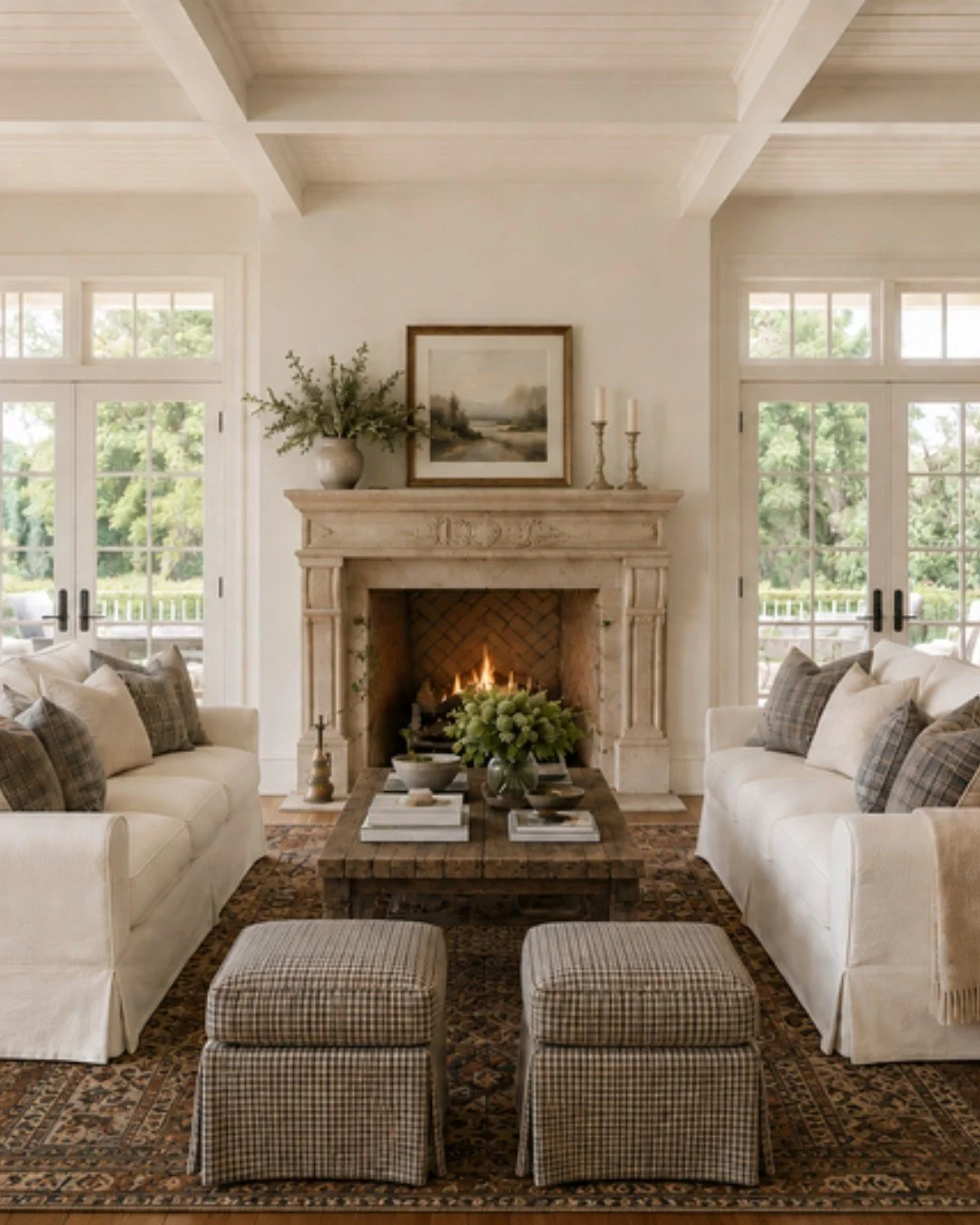
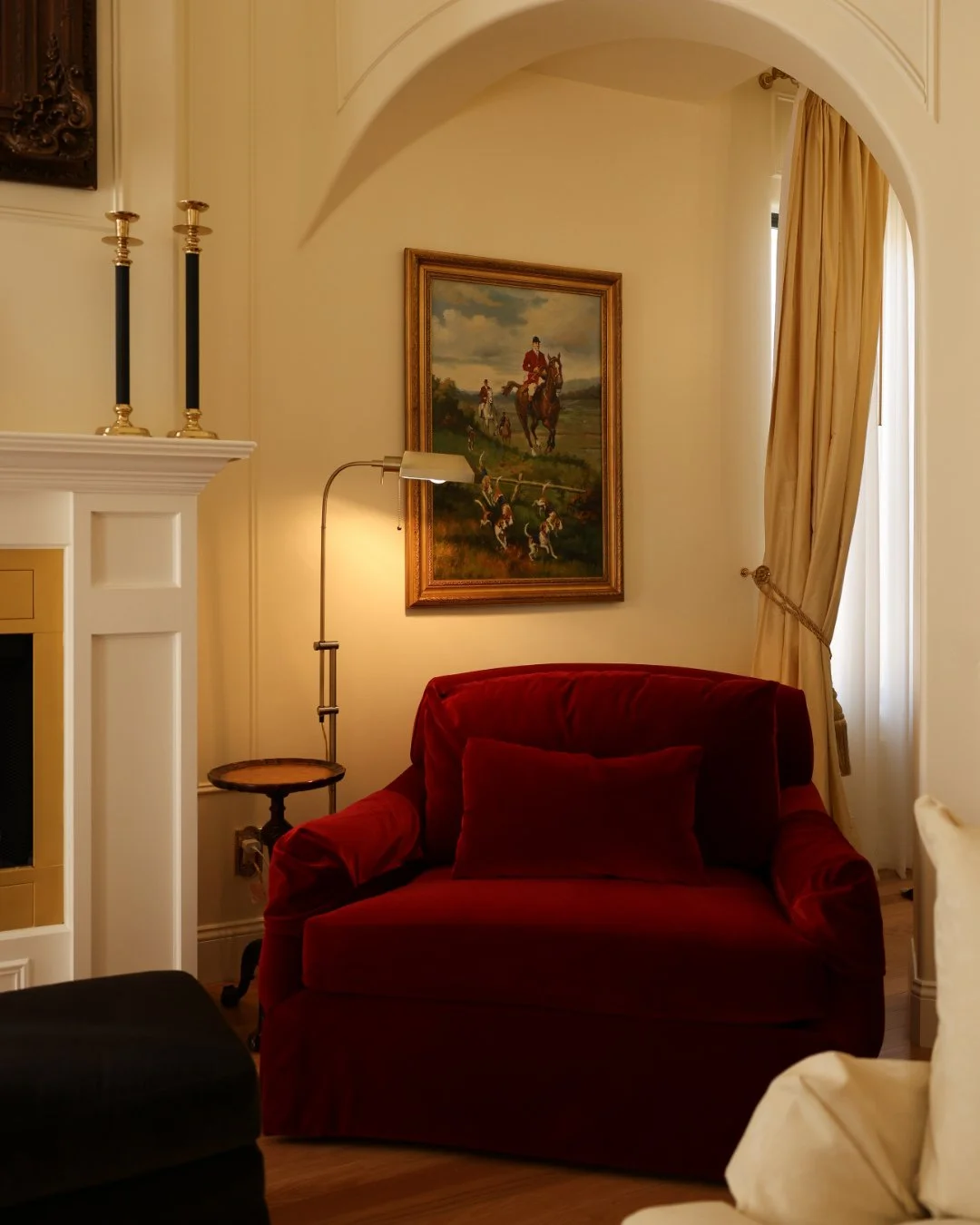
Soft, inviting textiles like velvet, chenille, boucle, and washed linen
Layered lighting — ambient, task, and accent — replaces harsh overhead fixtures, creating rooms that feel welcoming at every hour of the day.
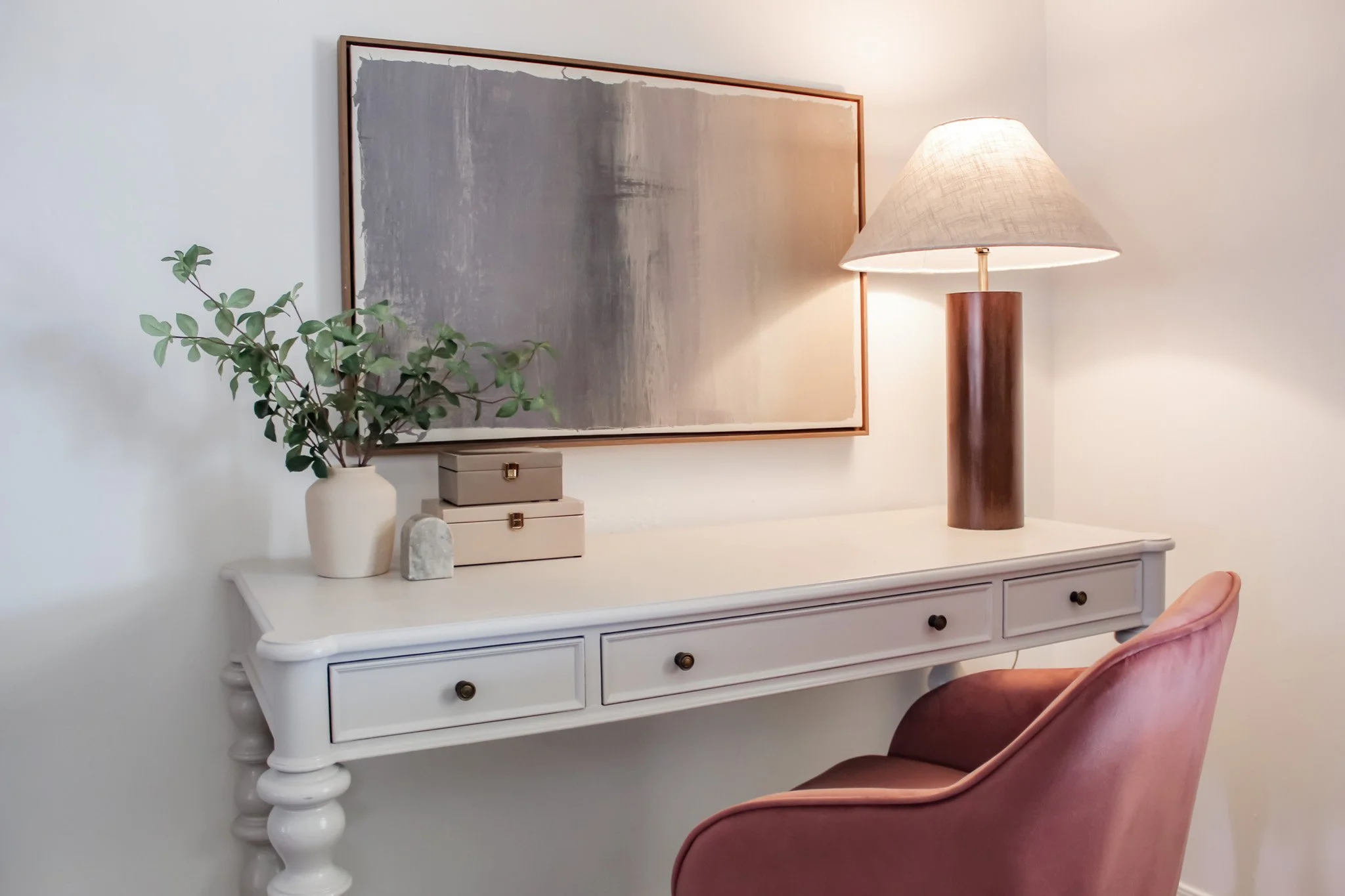
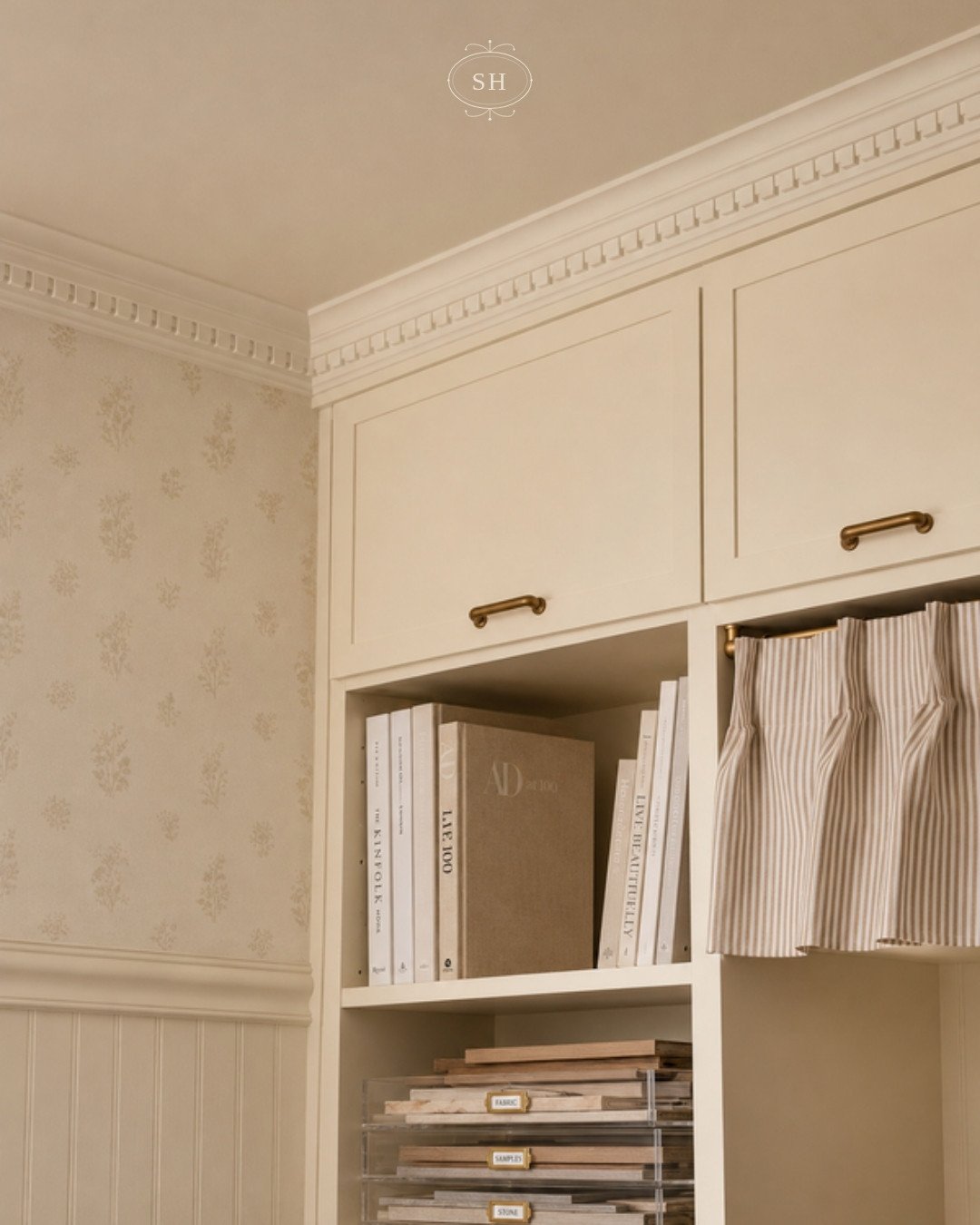
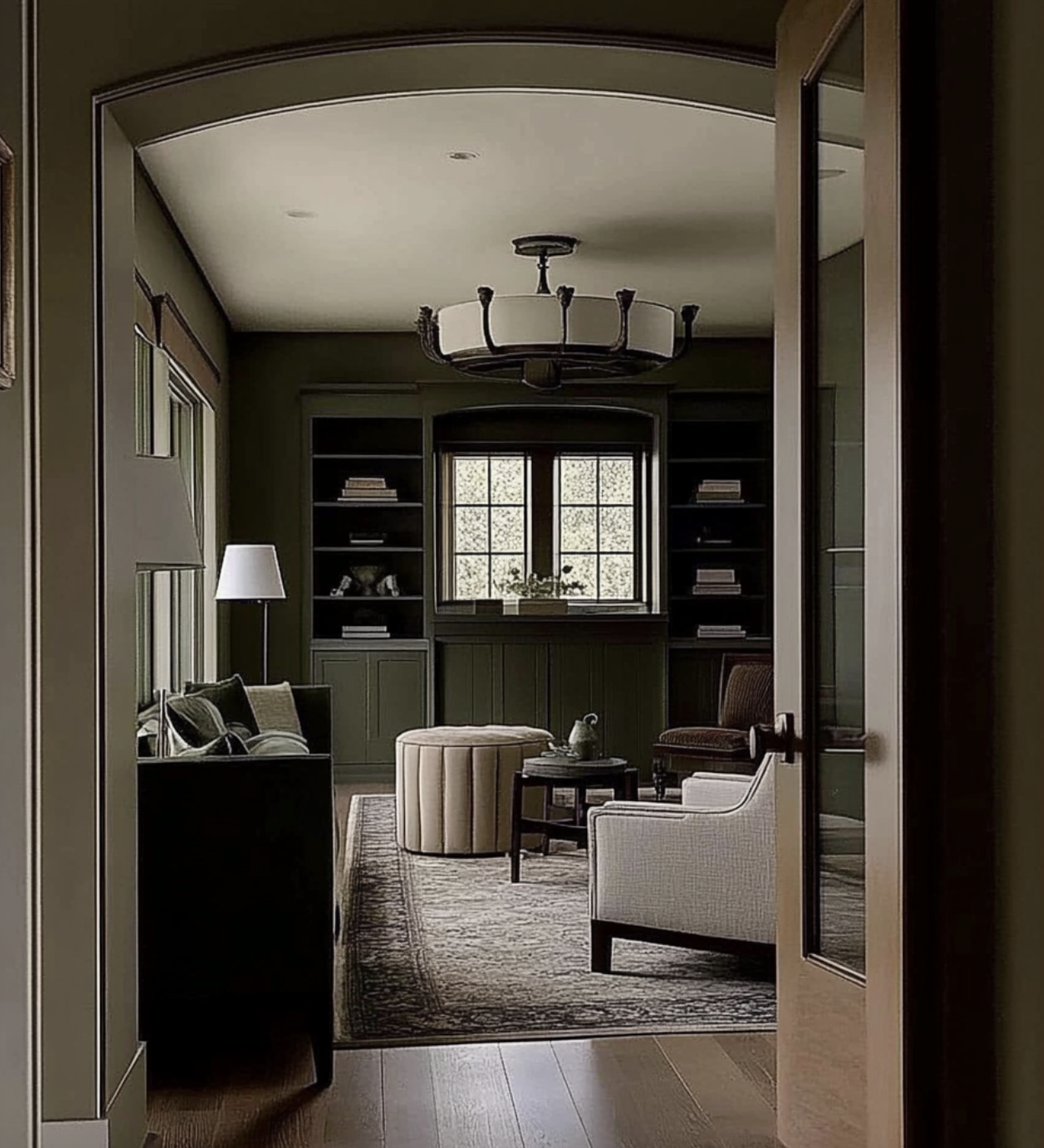
Neutral palettes still exist, but they’re warmer, deeper, and more tactile. Instead of stark whites and cool greys, we’re seeing creamy ivories, soft taupes, and mushroom tones that feel grounding rather than sterile.
In 2026, luxury is defined by how a space supports your body and your lifestyle, not just how it looks.
At-Home Wellness Spaces Become Essential, Not Optional
As homes continue to function as sanctuaries, dedicated wellness spaces are becoming a core design consideration rather than an afterthought.
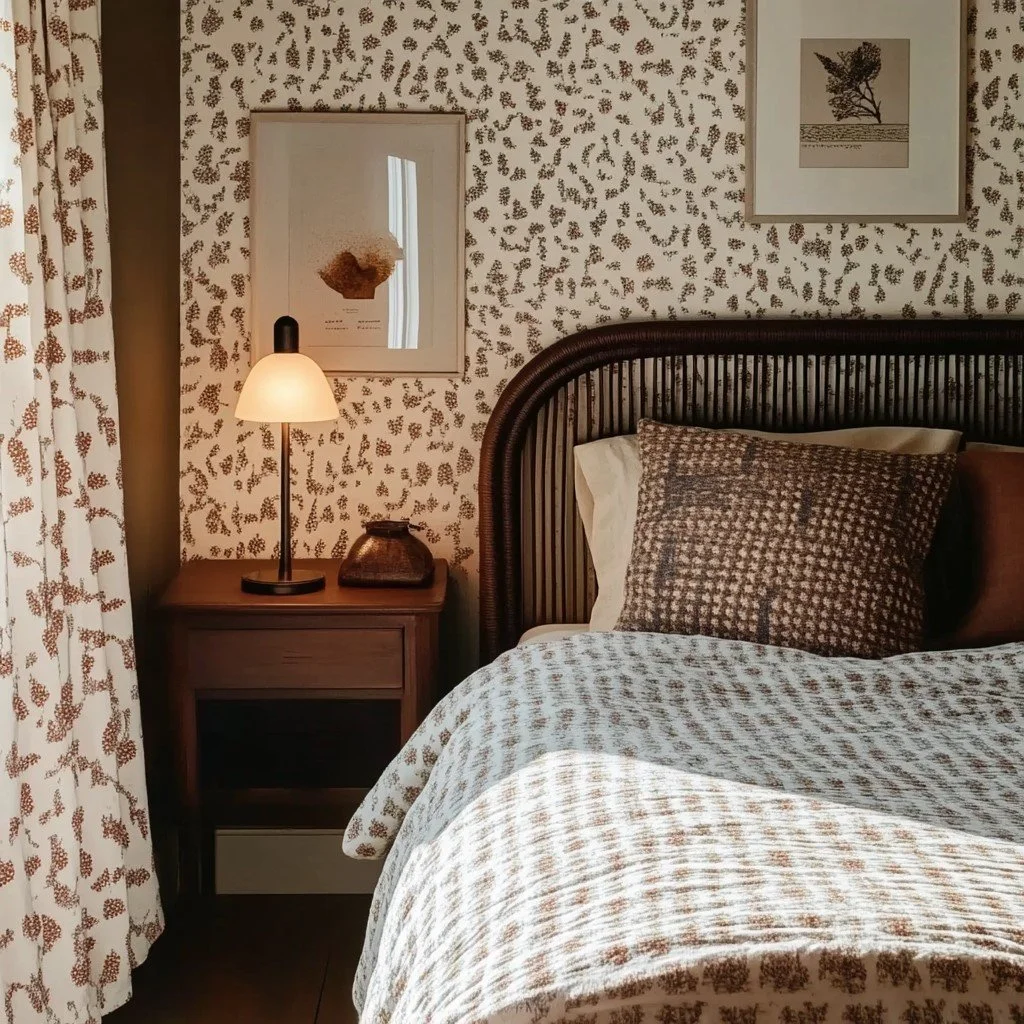
Designers are carving out intentional areas for:
Yoga and movement
Meditation and breathwork
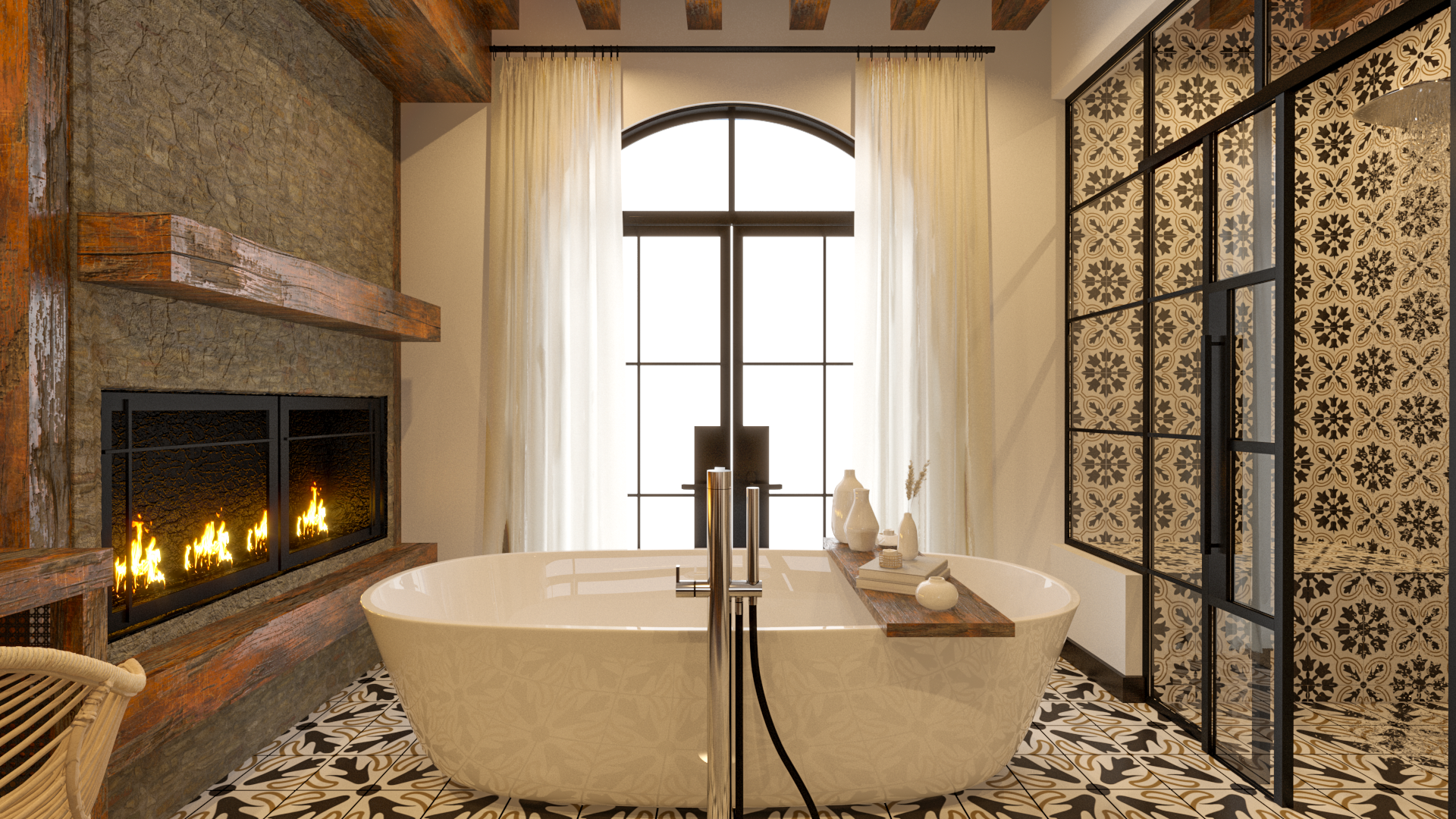
Spa-inspired bathrooms with soaking tubs and sensory lighting
Natural materials, muted color palettes, and biophilic elements work together to create environments that encourage slowing down.
Even in smaller homes, wellness shows up through thoughtful zoning — a quiet reading nook, a softly lit bathroom retreat, or a bedroom designed for deep rest.
In 2026, good design doesn’t just look beautiful — it actively supports mental and emotional health.
Earthy, Rich Color Palettes Replace Flat Neutrals
One of the clearest signals heading into 2026 is the move away from cold minimalism and toward earth-inspired color stories.
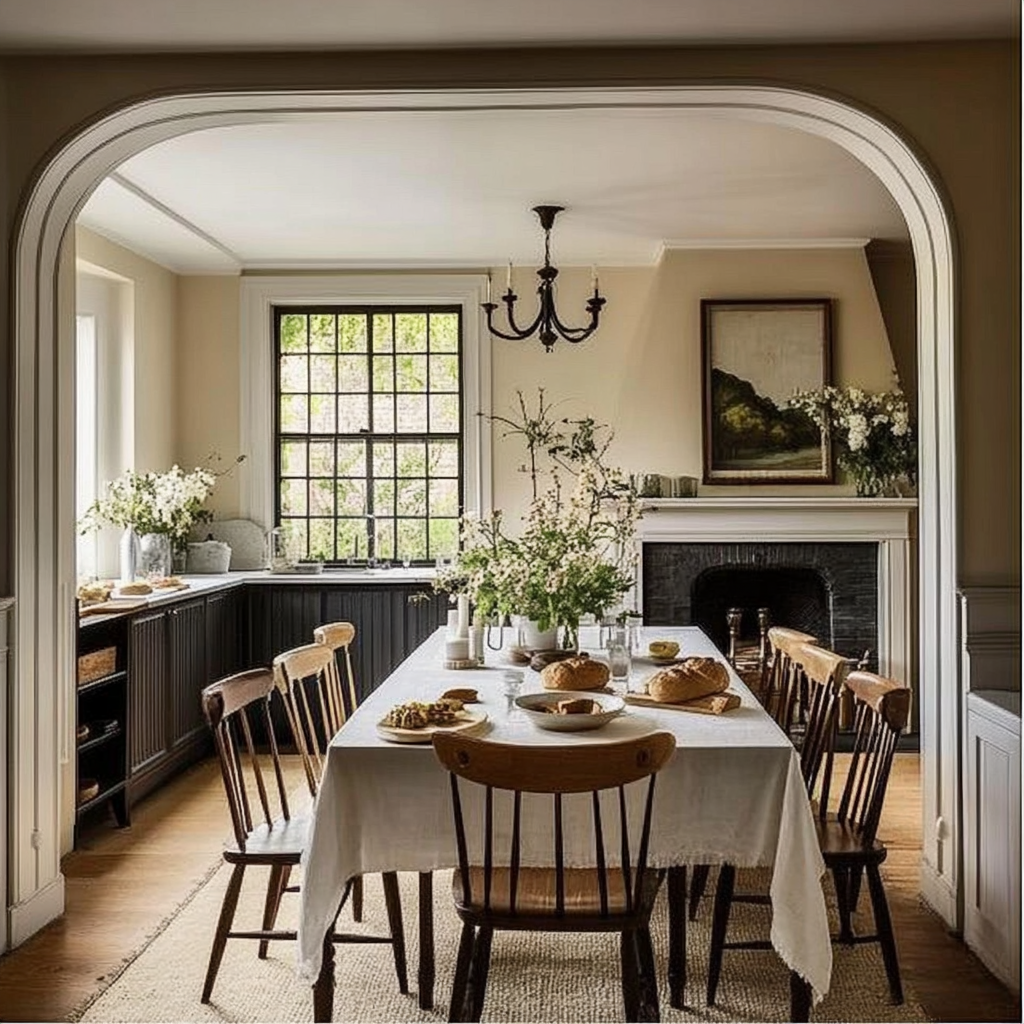
Designers are embracing:
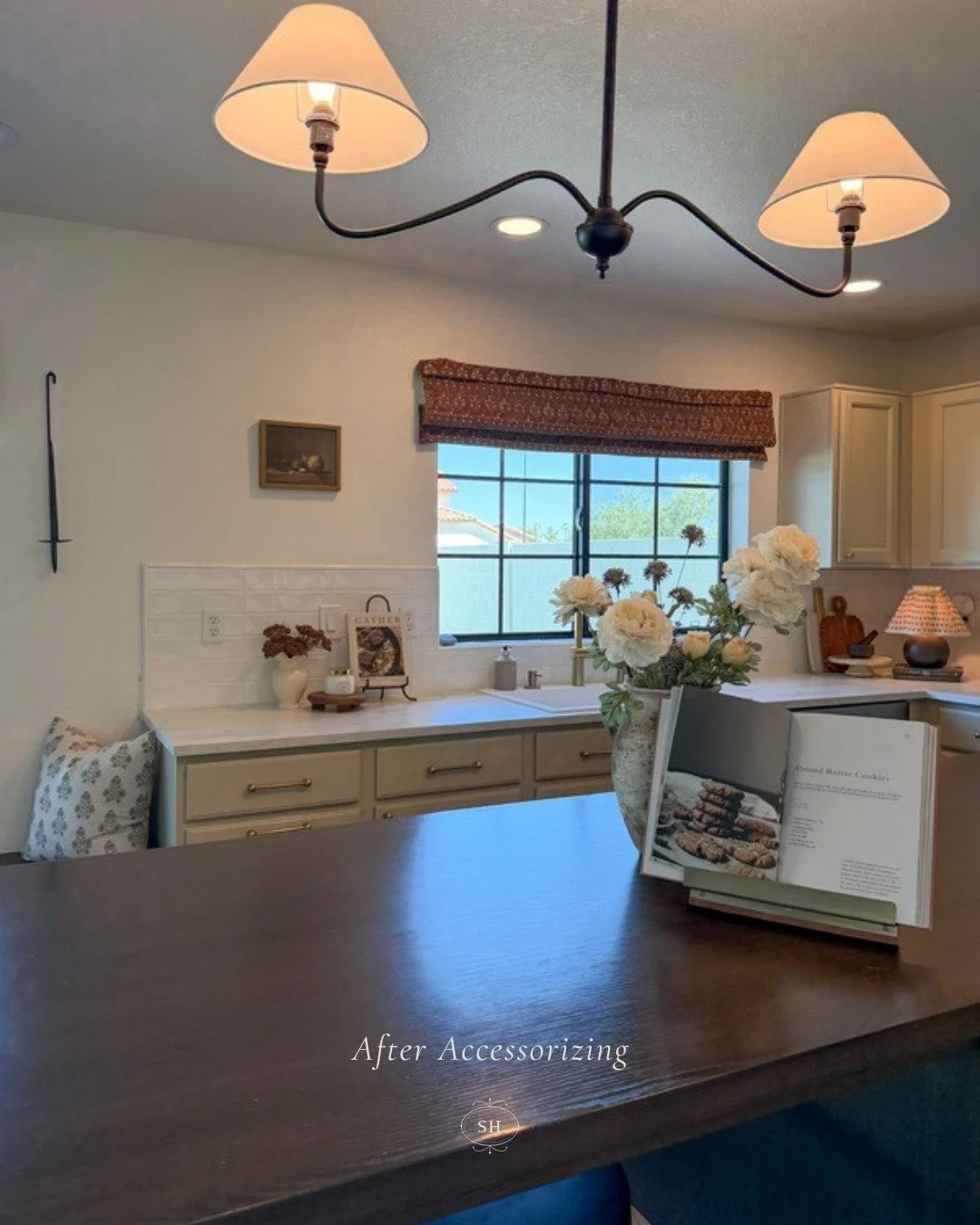
Terracotta and clay
Mustard and ochre
Olive, moss, and forest greens
Warm browns and deep taupes
These hues ground a space and pair beautifully with natural materials like stone, wood, and plaster. They also create a sense of permanence — interiors that feel rooted rather than trend-driven.
Used thoughtfully, richer colors add depth without overwhelming. They invite layering, texture, and contrast — hallmarks of timeless design.
Curves and Organic Shapes Continue to Soften Interiors
Sharp lines and rigid geometry are giving way to curves, arches, and organic silhouettes.
In 2026 interiors, we’re seeing:
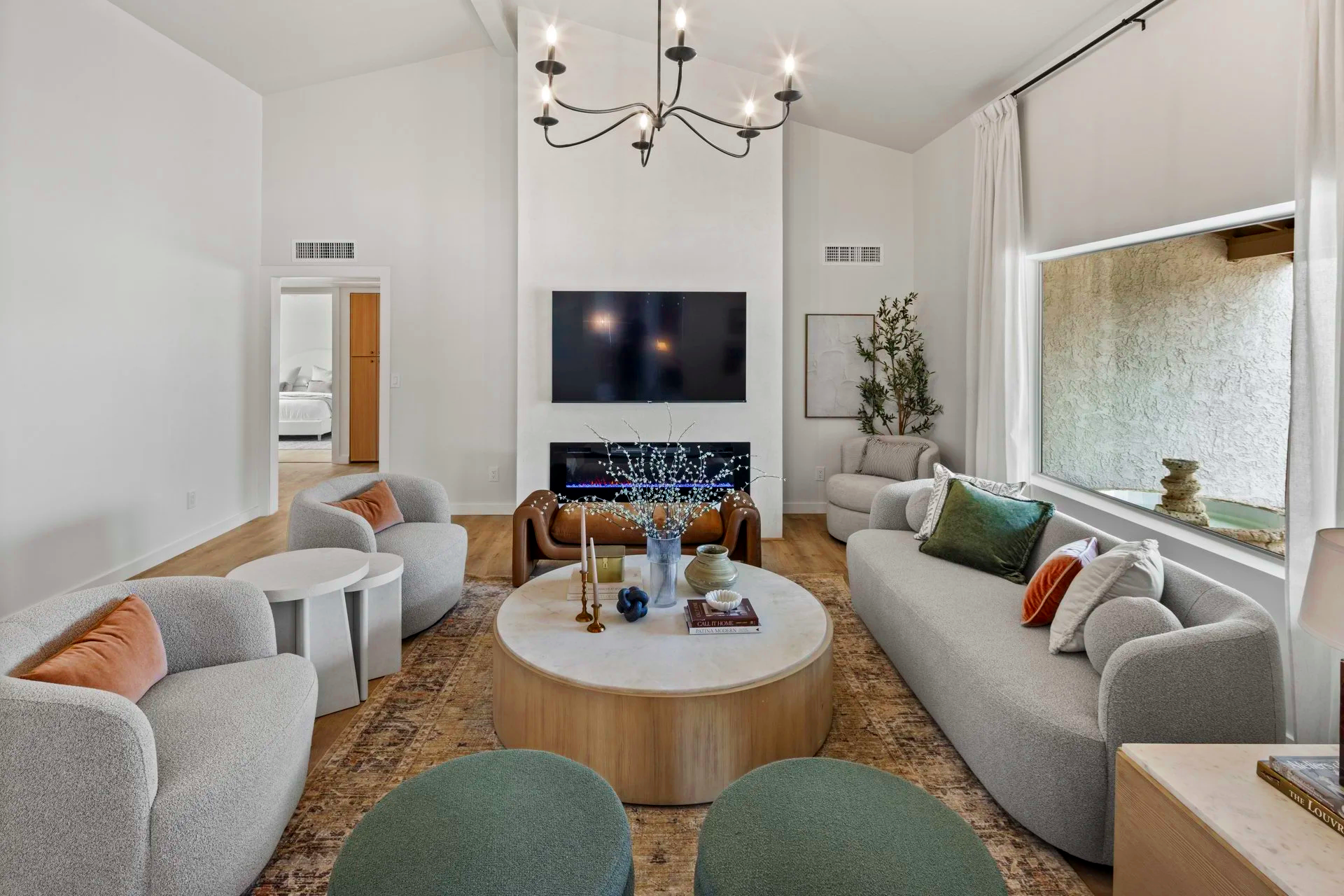
Rounded sofas and sculptural chairs
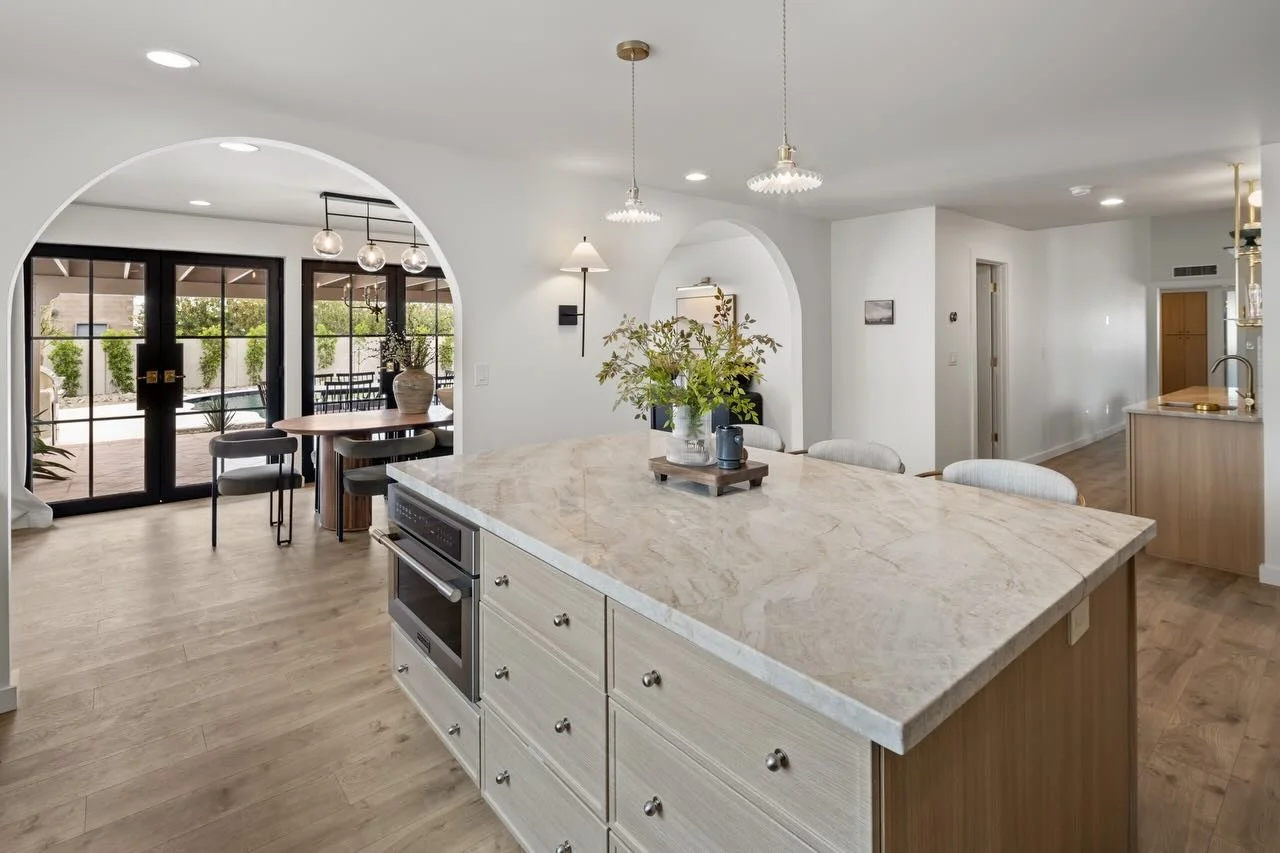
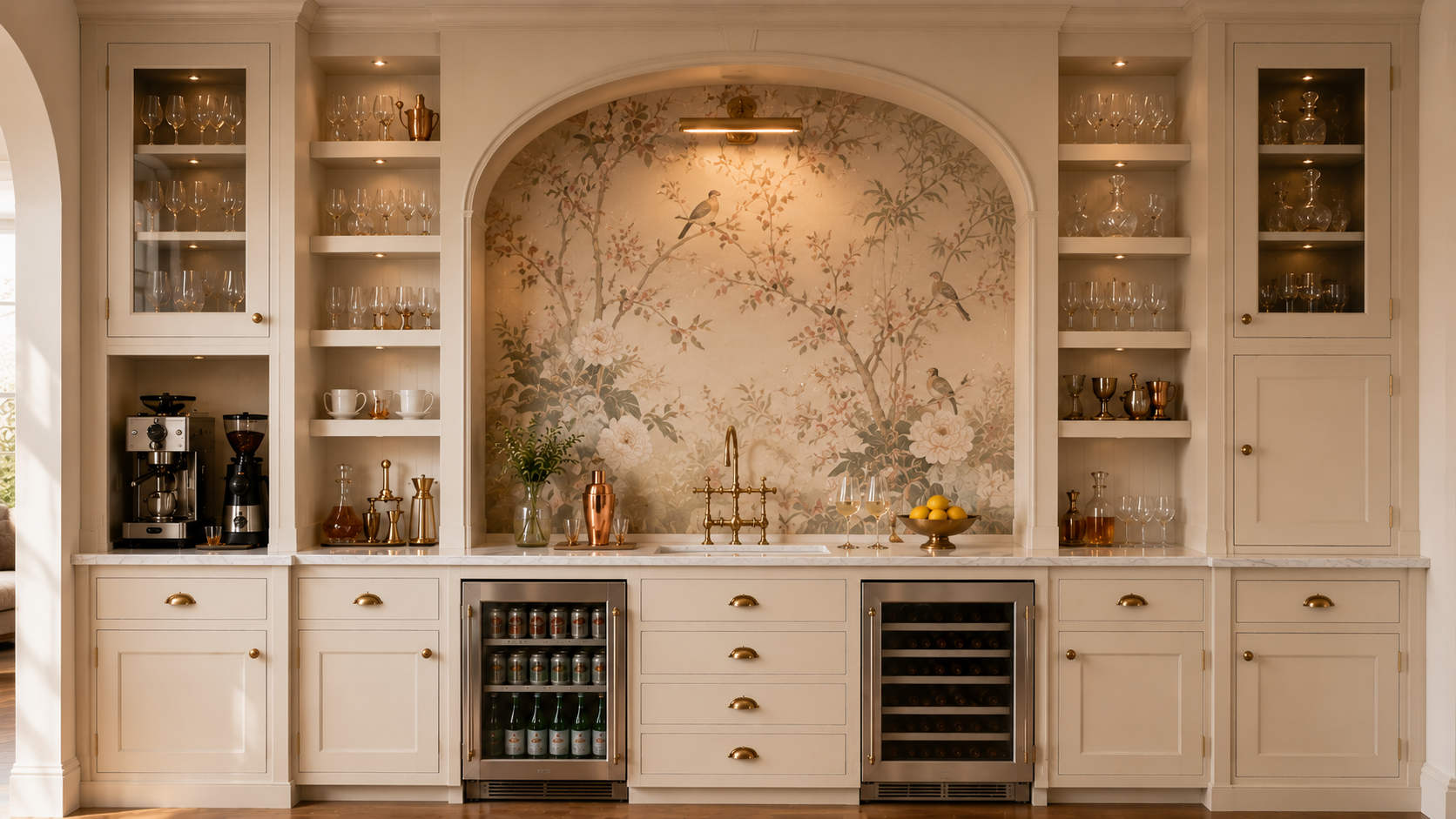
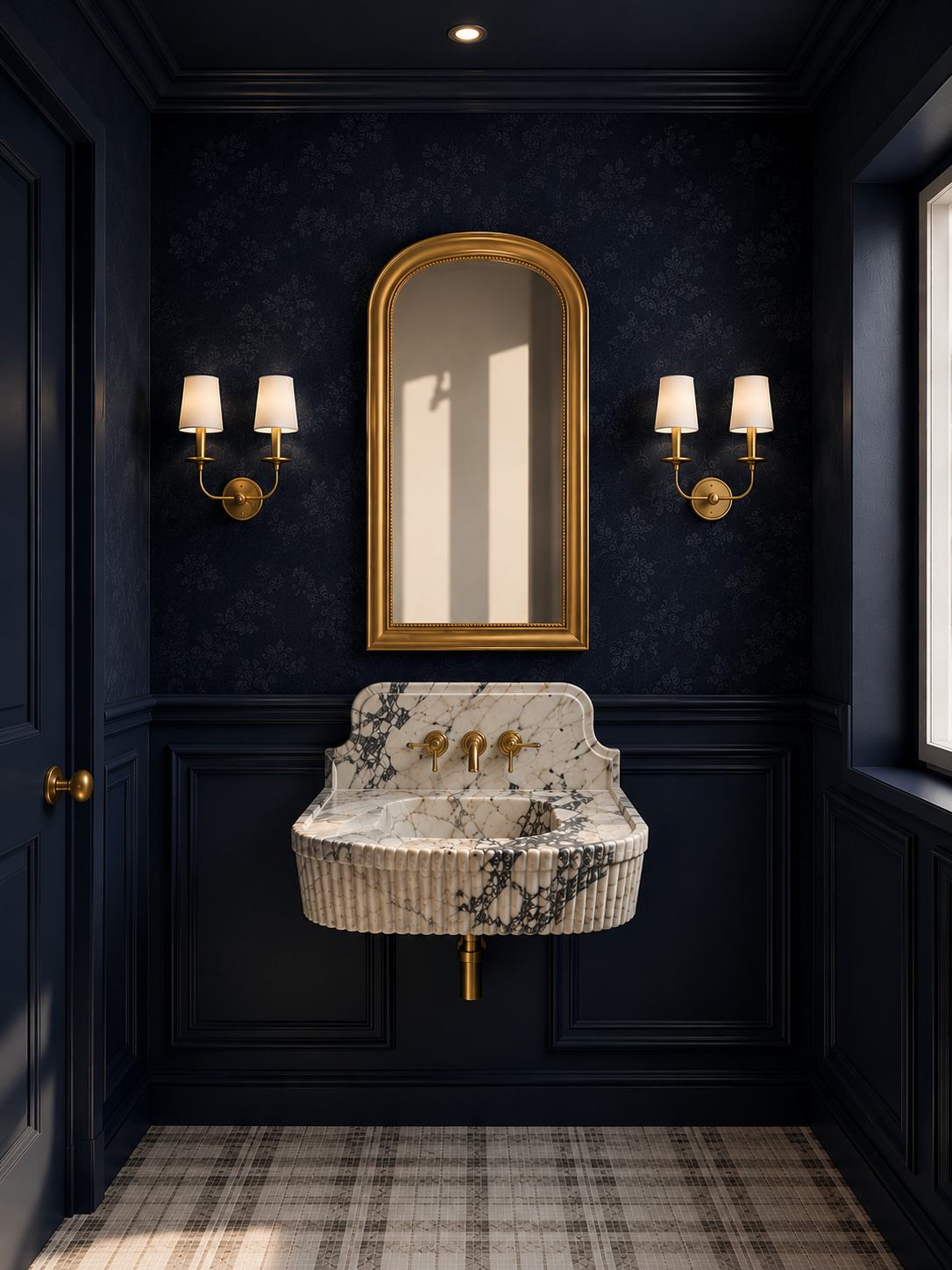
Arched doorways and niches
Asymmetrical mirrors and lighting
These shapes introduce movement and softness, making spaces feel more human and less architectural. Curves also pair naturally with comfort-driven furniture and layered materials, reinforcing the shift toward warmth and approachability.
The result is a home that feels fluid, welcoming, and visually calm.
Sustainable Luxury Takes Center Stage
Sustainability in 2026 is no longer about compromise — it’s about thoughtful craftsmanship.
Designers are increasingly working with:
Recycled and upcycled materials
Vintage and reclaimed furnishings
Artisanal, small-batch finishes
Luxury now comes from provenance, story, and longevity. A reclaimed wood dining table or a hand-finished plaster wall carries more value than something mass-produced and disposable.
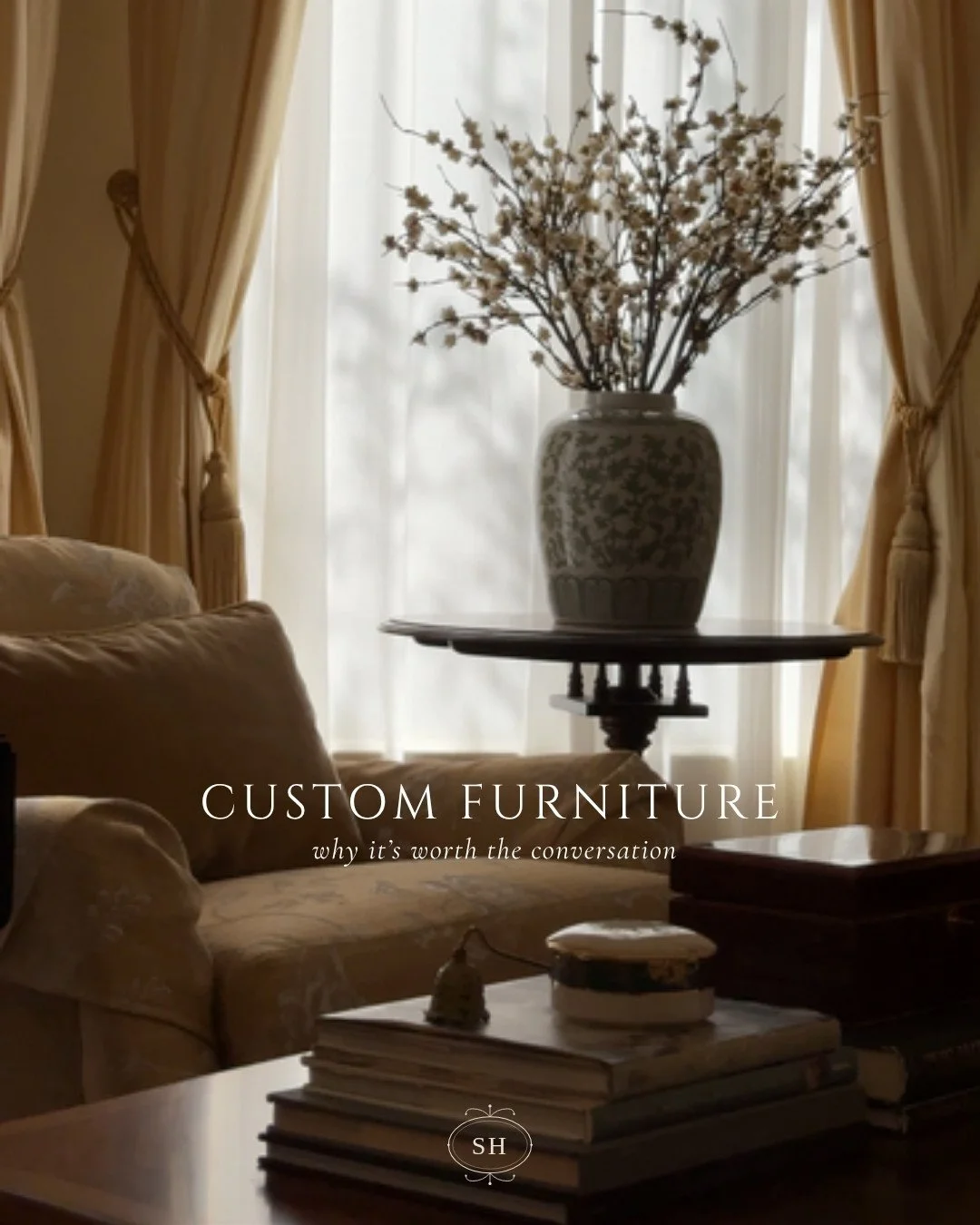
This shift aligns beautifully with the broader move toward personality-driven spaces — homes that feel collected over time rather than styled overnight.
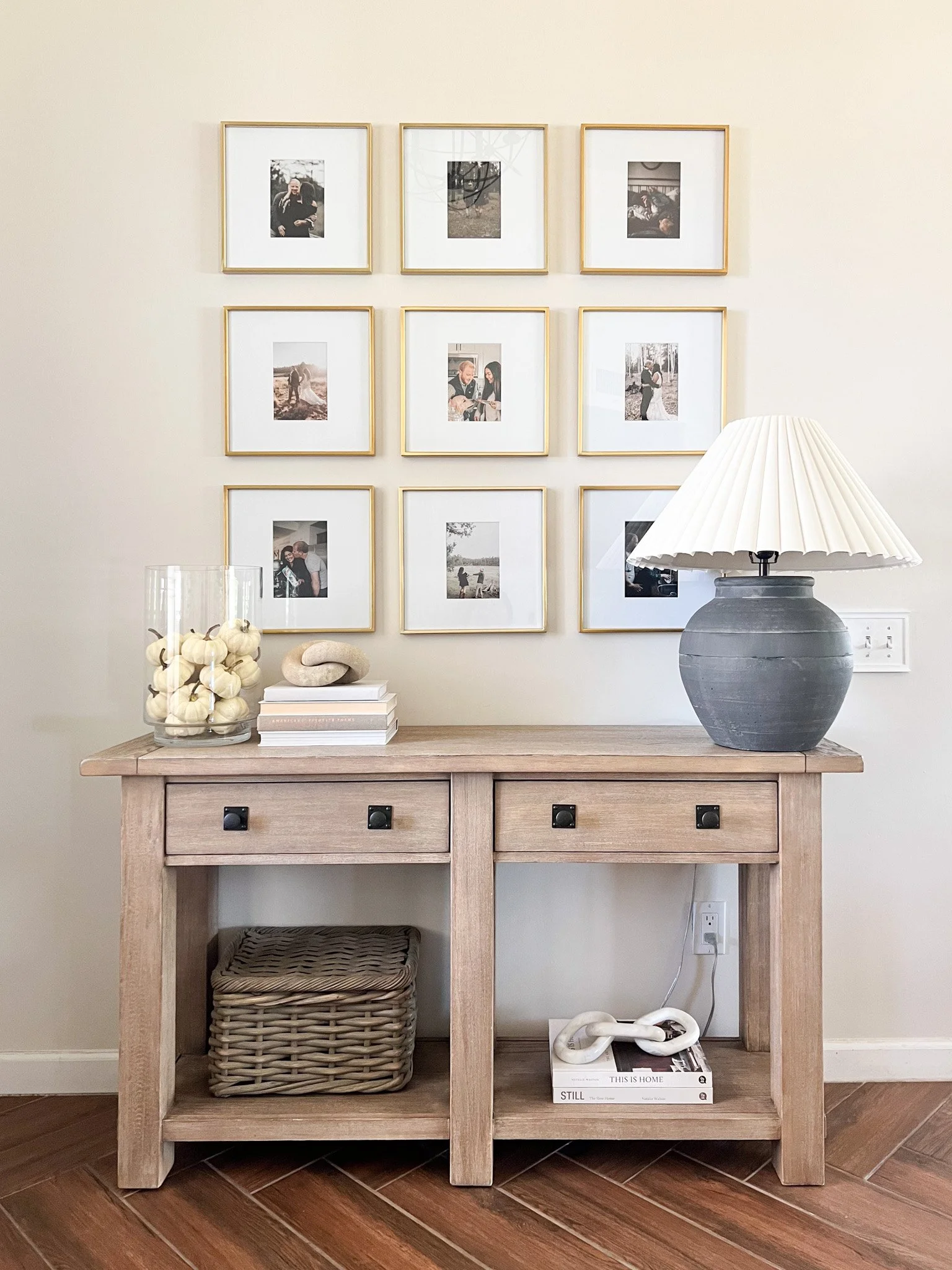
Personality-Driven Spaces Over Trend-Driven Rooms
Perhaps the most defining shift heading into 2026 is the rise of personality-first design.
Instead of following rigid trends, homeowners are embracing:
Bold, meaningful color combinations
A mix of vintage and modern elements
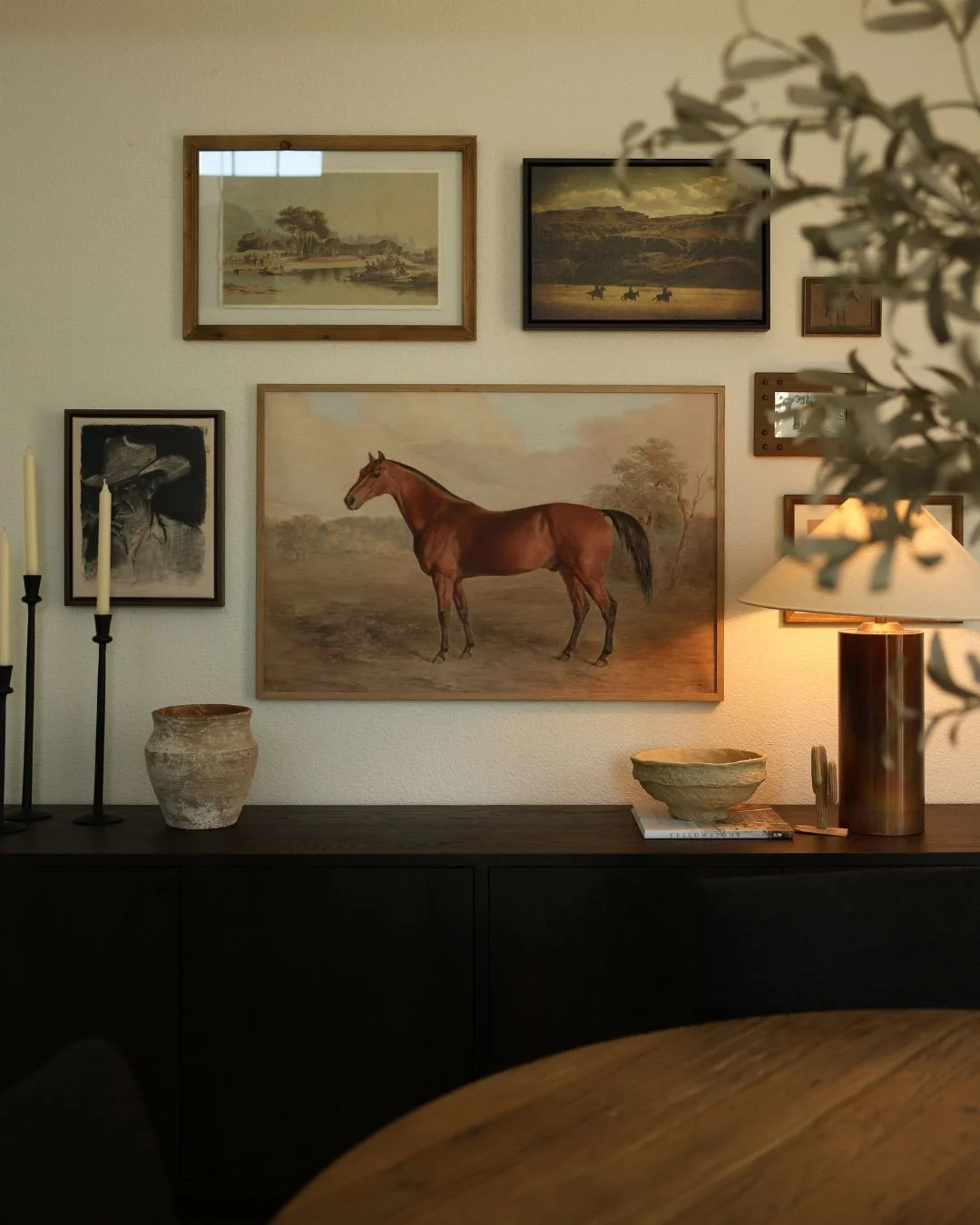
Art, textiles, and objects with personal history
This approach creates spaces that feel authentic rather than performative. A home becomes a reflection of its occupants — their travels, memories, tastes, and lifestyle.
Designers are guiding clients toward cohesion, not conformity. The goal isn’t perfection; it’s connection.
Textured Walls and Ceilings Add Depth and Character
Flat, featureless walls are being replaced with surfaces that invite touch and catch the light.
Popular treatments include:
Limewash and clay paint
Venetian plaster
Exposed beams and wood ceilings
These finishes add subtle movement and richness, especially when paired with warm lighting. They also create a backdrop that allows furnishings and art to shine without competing for attention.
Texture is becoming one of the most powerful tools in creating depth — particularly in neutral or tonal interiors.
Integrated Outdoor Living Blurs Boundaries
The line between indoors and outdoors continues to dissolve in 2026.
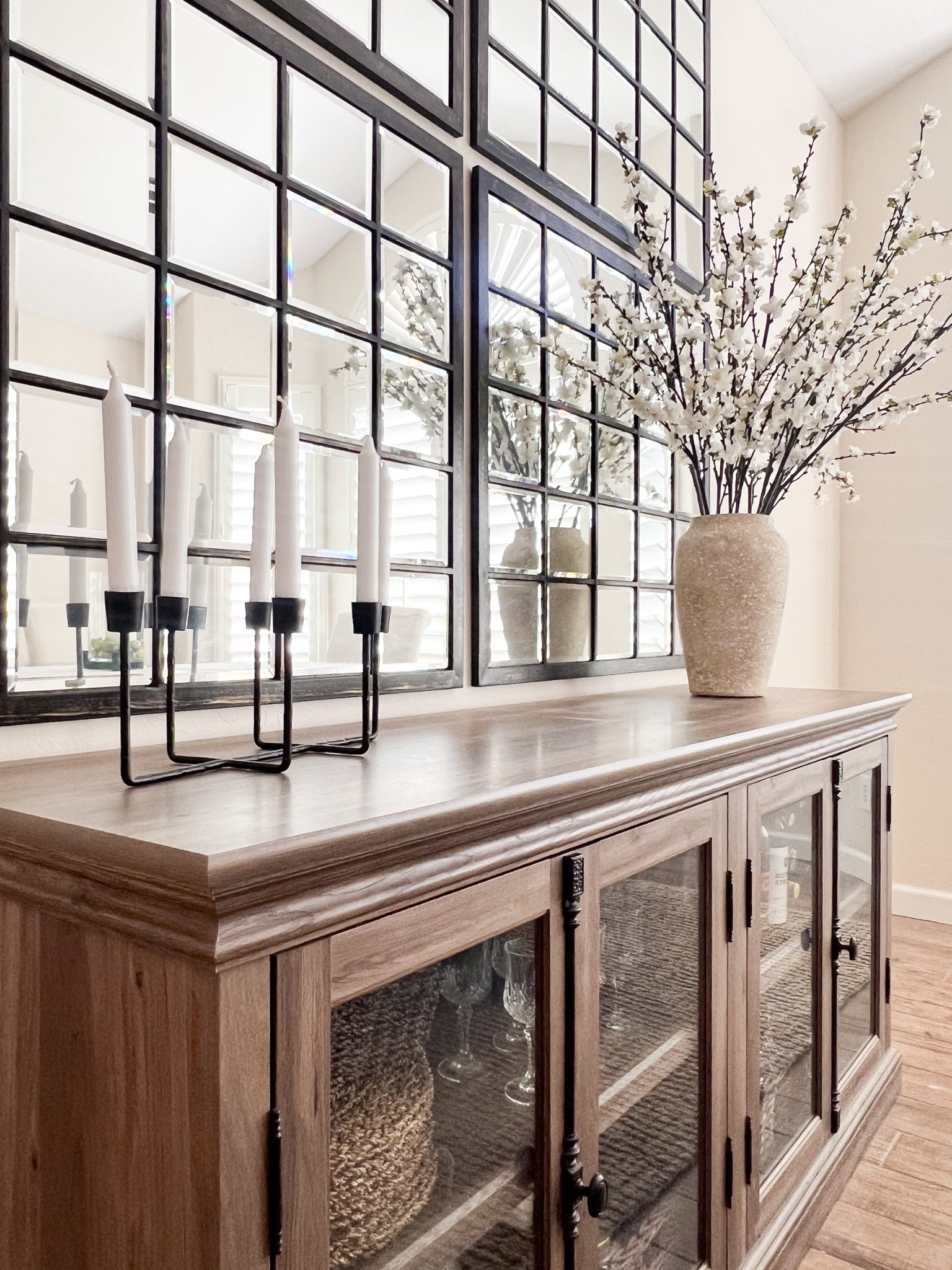
Designers are creating seamless transitions through:
Large sliding or retractable glass doors
Weather-resistant furnishings that mirror interior style
Outdoor kitchens and dining spaces designed for year-round use
Rather than treating outdoor areas as separate zones, they’re designed as extensions of the home — carrying the same materials, color palettes, and attention to detail.
This approach not only expands usable living space but also reinforces our desire for connection with nature and fresh air.
Smart Technology, Thoughtfully Integrated
Technology remains essential, but in 2026, it becomes invisible by design.
Smart features are seamlessly incorporated:
Hidden charging stations
Smart mirrors and lighting systems
Voice-activated controls that don’t disrupt aesthetics
The focus is on convenience without visual clutter. Technology supports the experience of the home rather than dominating it — a quiet enhancement rather than a focal point.
Looking Ahead: What Defines 2026 Interiors
Taken together, these trends point to a clear direction: homes designed with intention, warmth, and humanity.
2026 interiors are:
Less about perfection, more about presence
Less minimal, more meaningful
Less trend-driven, more personal
Design is returning to its core purpose — creating spaces that support how we live, rest, gather, and grow.
As we move forward, the most compelling interiors will be those that feel layered, lived-in, and deeply connected to both nature and the people who inhabit them.
Browse Our Design Blog
Final Thought
The future of interior design isn’t louder — it’s richer. It’s found in texture over gloss, comfort over show, and spaces that tell a story rather than follow a script.
If 2025 laid the groundwork, 2026 is where design truly settles into its next chapter — one defined by balance, authenticity, and lasting beauty.
Questions?
We’re an open book! Schedule a call or fill out the inquiry form below if you’re ready to start.
If you’re not ready, save this blog post for when you are!
Discover More on Instagram