How Much Does a Whole-Home Renovation Cost in the East Valley?
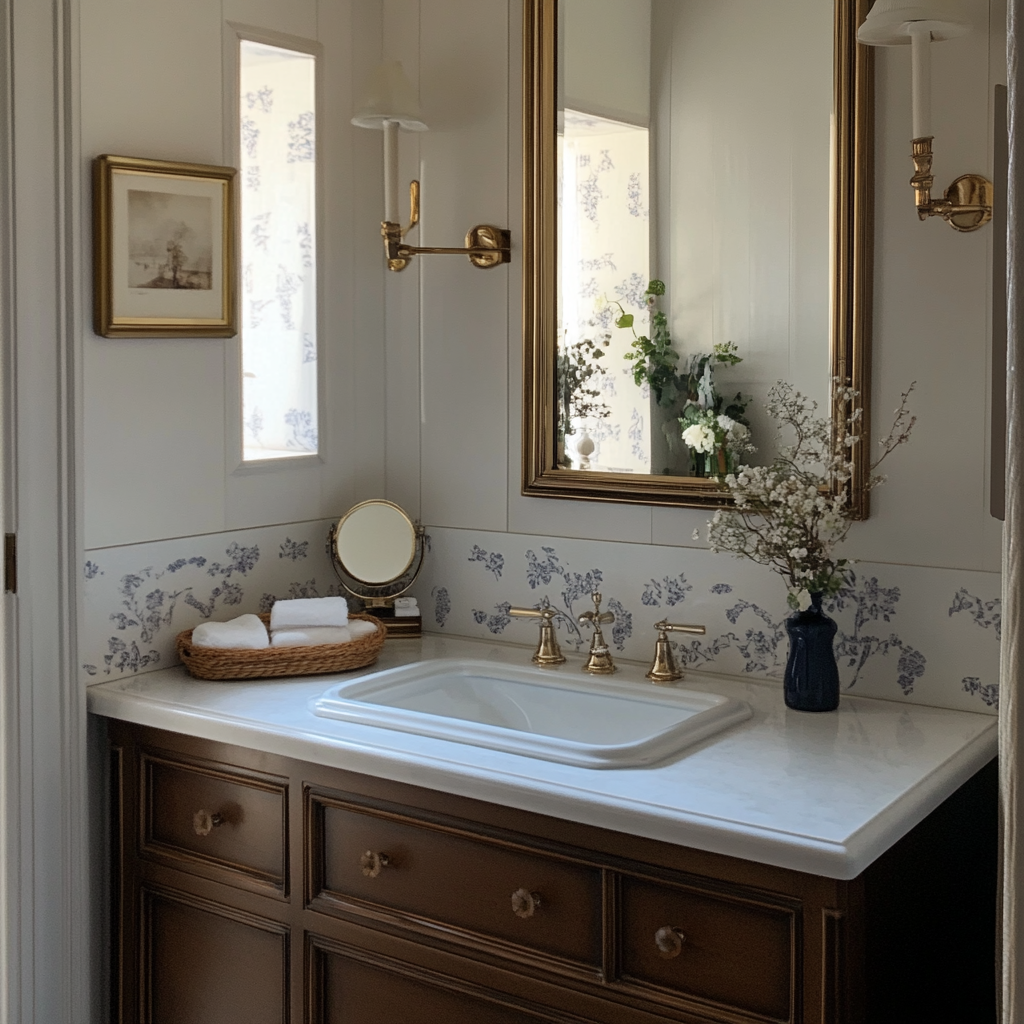
It is the question that shapes every other one — and the one no honest designer will answer with a single number. A whole-home renovation in the East Valley can run anywhere from roughly $90,000 for a single-story cosmetic refresh to well past $500,000 for a two-story home taken to the studs. The honest answer is not a price. It is a sequence of decisions, made in the right order.
If you live in Mesa, Gilbert, Chandler, Queen Creek, or anywhere across the East Valley and you have started gathering quotes, you have already seen how far they spread. One builder says $180,000. Another says $320,000. Neither is necessarily wrong. They are pricing two different homes — and, often, two different levels of planning.
At Sentenac House, our role is the design: we author the home, and we partner with licensed general contractors and trades to build it. That vantage point lets us tell you where the money actually goes across an entire house, and where it is quietly wasted. Here is what a whole-home renovation really costs in the East Valley in 2026, broken down the way we wish every homeowner saw it before signing anything.
The Short Answer, by Tier
Whole-home renovations are easiest to understand per square foot, because that is how the cost scales with your home. Across Mesa, Gilbert, Chandler, and Queen Creek, projects generally fall into four bands. The number that matters is not the headline figure — it is which tier matches the home you actually want to live in.
Cosmetic refresh — about $80 to $150 per square foot. New paint, flooring, lighting, fixtures, and hardware throughout, with light kitchen and bathroom updates. No layout changes, no walls moved. The home you have, made fresh.
Mid-range renovation — about $150 to $250 per square foot. New kitchen and bathrooms, continuous flooring throughout, modest layout adjustments, and updated electrical and plumbing where the work touches it. The most common scope for families settling into a home for the long term.
Major renovation — about $250 to $400 per square foot. A reconfigured floor plan, semi-custom or custom cabinetry across the house, high-quality surfaces, new windows and doors, and meaningful systems work. This is where a dated house becomes a different house.
Luxury, taken to the studs — $400 to $650+ per square foot. Architectural and structural change, fully custom millwork, stone slabs, professional appliances, integrated design and styling. A home authored from the framing out.
Translated into whole-home totals for a typical 2,000 to 3,500 square foot East Valley house, a single-story renovation generally runs from roughly $90,000 on the light end to $300,000 and beyond at the luxury level. Two-story and larger homes start higher — commonly $120,000 to $400,000+, with ultra-custom work climbing past it. The East Valley tends to sit slightly under Scottsdale on labor, but materials — cabinetry, stone, tile, appliances — cost the same everywhere.
Where the Money Actually Goes
Most homeowners picture the budget spread evenly across the house. It almost never is. In nearly every whole-home renovation, a few categories dominate — and understanding them is how you control the total.
Kitchens and bathrooms — 40% to 55% of the budget. The wet rooms are the most expensive square footage in any house: cabinetry, stone, tile, plumbing, and the labor to assemble them. A single kitchen can run $25,000 to $80,000 or more, and a primary bath from $20,000 to $90,000. The number of bathrooms you renovate moves the whole-home figure more than almost anything else.
Cabinetry and millwork — the widest swing. Stock cabinetry is affordable; true custom — built to your dimensions, in the wood and finish you choose — can multiply that figure several times over. Across a whole house, this is the single line item most responsible for the gap between two bids.
Flooring. Material matters, but the larger cost is often the labor to run a single floor level and seamless across an older slab. Continuity is what makes a renovated home read as one home rather than a series of redone rooms.
Structural and layout changes. Removing a wall, adding a beam, relocating plumbing, raising a ceiling — each carries engineering, permitting, and labor. These are the most transformative dollars you can spend, and the easiest to underestimate.
Systems you cannot see. HVAC zoning for our climate, an updated electrical panel, and re-piping older galvanized lines are common in Arizona’s mid-century and early-2000s housing stock. They add little to the photographs and everything to how the home actually lives.
We counsel clients to hold 10% to 15% in reserve as contingency. In Arizona’s older slab homes — with hard water, settling, and decades of previous owners’ choices behind the drywall — what you find is rarely what you hoped.
Why East Valley Quotes Vary So Much
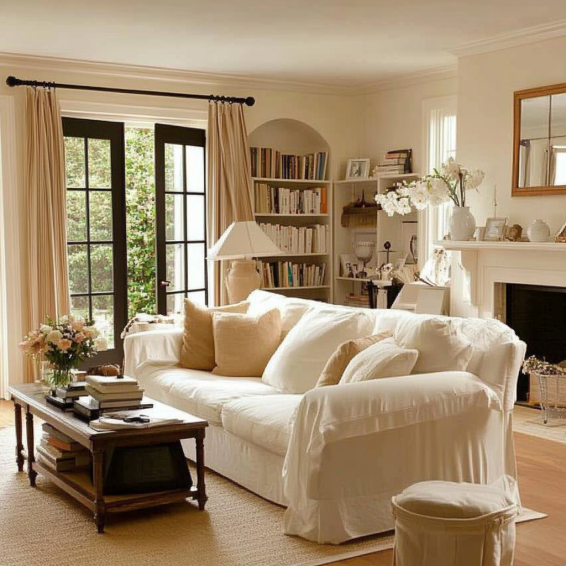
When two bids for the same renovation differ by $80,000, the gap is almost never markup. It is scope, and it is sequence. The lower bid usually assumes builder-grade materials, no layout change, and that every decision is already made. The higher bid has accounted for the custom cabinetry you will eventually want, the wall you will decide to open, and the months of back-and-forth that happen when no one drew the home first.
This is the quiet case for design. A finished plan — floor plans, elevations, specifications, and selections settled before demolition — is what turns a moving target into a fixed price. It is also what keeps a contractor from guessing, and guessing high to protect themselves. The design does not add to the cost of a renovation. More often, it is what keeps the cost from running away.
All at Once, or Room by Room?
It is the question every whole-home client asks, and the answer has two parts. Financially and emotionally, phasing a renovation — kitchen this year, primary suite next — can make a large project livable. But design is the part that should never be phased.
Author the whole home first, even if you build it in stages. When the entire plan is decided up front — how flooring carries from room to room, how the kitchen speaks to the dining room, where the light falls in the evening — each phase clicks into a coherent whole. Renovate room by room without that master plan and you pay twice: once in materials that no longer match, and again in the tear-out when last year’s choice fights this year’s. The most expensive renovation is the one done without a drawing of where it is going.
The Arizona Factors That Move the Number
A renovation in the East Valley is not a renovation anywhere. Our climate and housing stock add real considerations that a national cost calculator will miss. Desert heat and intense sun push the value of energy-efficient windows, insulation, and proper HVAC zoning. Hard water makes fixture and plumbing selection a durability decision, not just an aesthetic one. Dust control matters both during construction and in the air handling you live with afterward. And across Gilbert, Chandler, and much of the East Valley, HOA approvals and Maricopa County permitting can shape both your timeline and your design — particularly when you are changing anything visible from the street. Finally, our weather invites the indoor-outdoor living that the best East Valley renovations are built around: large sliders, covered patios, and flooring that carries the eye outside.
What About Resale?
If you are weighing the investment against value, the data is clear and a little counterintuitive. The most reliable return comes from well-judged, mid-scope work — kitchens and baths recover the most, often 70% to 80% of their cost, and a minor, deliberate kitchen remodel can approach or exceed 100%. The largest, most expensive whole-home overhauls return a smaller percentage, frequently 50% to 60%, simply because the spend is so high.
The lesson is not to spend less. It is to spend deliberately. A home renovated around how your family actually lives will outperform a more expensive one renovated around a trend — both in daily ease and, eventually, on the market.
Where the Design Fee Fits
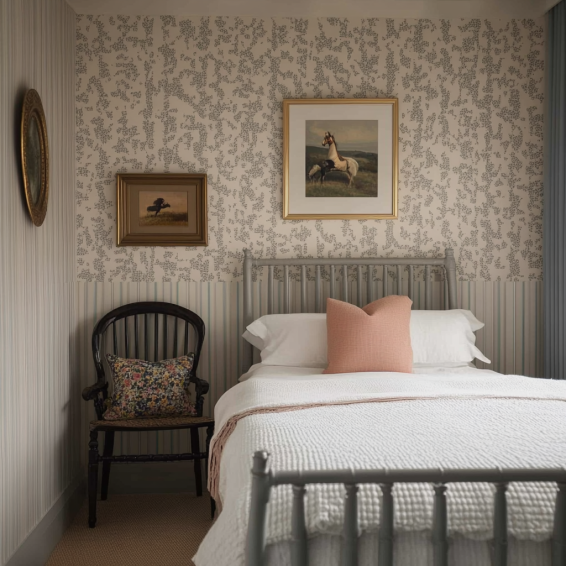
One distinction worth drawing clearly: every range above is a construction and materials budget — what you pay builders and suppliers. Interior design is a separate investment, and on a whole-home project it is the one that determines whether all of that money lands.
At Sentenac House, design begins at a $25,000 minimum project investment, and whole-home renovation is the heart of what we do. We author the concept, the layout, the cabinetry and millwork design, every selection and specification, and the construction documentation your contractor builds from — then we manage procurement and the final install. You are not buying drawings. You are buying a home that was fully decided before it was ever demolished.
Let’s Author Your Home
If you are planning a whole-home renovation in Mesa, Gilbert, Chandler, Queen Creek, or Scottsdale, we would love to hear how you live. Every project begins with a short application and a slow, generous conversation. Begin the application at sentenachouse.com/inquire, or book a paid consult with Nohea.
Cost ranges reflect 2025–2026 East Valley and greater Phoenix market data and are provided for planning guidance only; every home is priced on its own scope, finishes, and conditions. Sentenac House Interiors provides interior design and project oversight and partners with licensed general contractors for construction.