The Biggest Mistakes Homeowners Make Before a Renovation

There is a particular kind of excitement that comes with deciding to renovate. You have lived in the home long enough to know exactly what frustrates you. You have collected the images, lingered on the finishes, imagined the dinner parties in the reimagined kitchen. The vision feels close enough to touch.
And then, for far too many homeowners, the project becomes something else entirely. Budgets swell past anything that was discussed. Timelines stretch from months into seasons. The finished rooms look almost right, but never quite like the home that was promised. The frustration that prompted the renovation in the first place is replaced by a new, more expensive frustration.
After years of guiding renovations in Scottsdale and across the Valley, we can tell you that the difference between a renovation that delights and one that disappoints is almost never the budget, the contractor, or even the design. It is what happens before the first wall comes down. The most expensive mistakes are made in the quiet planning weeks, long before anyone picks up a hammer.
Here are the missteps we see most often, and how to avoid them so your renovation becomes the home you actually wanted.
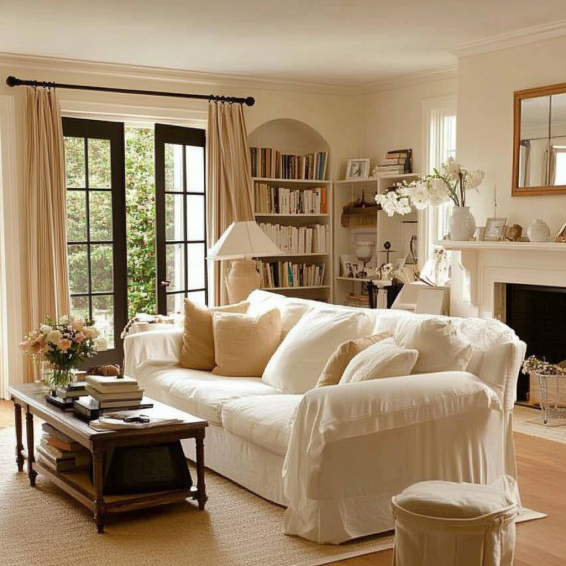
Mistake #1: Starting With the Finishes Instead of the Function
It is natural to begin with the beautiful part. The marble. The brass fixtures. The wide-plank oak floors. These are the things that fill our screens and feed the dream, and they feel like the substance of a renovation.
They are not. They are the last ten percent.
When homeowners lead with finishes, they end up designing a beautiful version of a flawed layout. The kitchen island is gorgeous, but there is nowhere to set down groceries between the door and the counter. The primary suite is exquisite, but you still walk past the laundry to get to the closet. Finishes cannot fix a floor plan, and no amount of money spent on stone will make a room work if the bones are wrong.
The right order is the reverse of the instinct. Begin with how you actually live. Where does light fall in the morning? Where does the family gather without being told to? What is the single most frustrating part of your daily routine in this space? Function and flow come first. The finishes, when they come, should be in service of a home that already works beautifully.
Mistake #2: Underestimating the Real Budget (and Skipping the Contingency)
Almost every homeowner walks in with a number. Almost every homeowner's number is missing two things.
The first is the full scope of what a renovation actually includes. The headline figure people carry tends to cover cabinetry, countertops, and the obvious fixtures. It rarely accounts for demolition, permitting, structural surprises, electrical and plumbing updates to meet current code, the cost of design itself, the freight and delivery on furnishings, installation labor, and the dozens of small line items that quietly accumulate into a meaningful sum.
The second is a contingency. In any renovation involving walls older than a few years, something unexpected will be found behind them. In Arizona homes in particular, we routinely encounter dated electrical, plumbing that was never quite right, and HVAC realities that only reveal themselves once the project is underway. A renovation budget without a contingency of at least fifteen to twenty percent is not a budget. It is a wish.
The kindest thing you can do for your future self is to be honest about the number before you begin. A clear-eyed budget is not a constraint on the dream. It is what protects the dream from collapsing halfway through.

Mistake #3: Hiring the Wrong People in the Wrong Order
This is perhaps the most consequential mistake of all, and it usually comes from a reasonable instinct: get a contractor in, get a quote, get moving.
The problem is that a contractor prices what is in front of them. Without a developed design and a complete set of specifications, they are quoting an idea, not a plan. Every undecided detail becomes a change order later, and change orders are where budgets and relationships go to die. The bid that looked competitive becomes the most expensive option once a season of revisions is added to it.
The order that protects you is design first, then build. A designer helps you make the hundreds of decisions a renovation requires before the trades are scheduled, so that the people building your home are working from a complete picture. It means the contractor can give you a real number instead of an optimistic one. It means the trades show up knowing exactly what to do. It means you are not standing in a half-demolished room being asked to choose a tile on the spot while three workers wait.
When you do bring people on, vet them properly. Ask to see completed projects, not just a portfolio of glamour shots. Talk to past clients about what happened when something went wrong, because something always does, and the measure of a professional is how they handle it. The cheapest bid is rarely the least expensive in the end.
Mistake #4: Trying to Save Money by Designing It Yourself
We understand the appeal. Design can look, from the outside, like the part you could handle on your own. You have taste. You have the images. Why pay someone to choose what you could choose yourself?
Because design is not choosing. Design is the discipline of making hundreds of decisions that all have to agree with one another, and then coordinating the people, products, and trades to execute them on time and on budget. It is knowing that the gorgeous faucet you fell in love with will not clear the new backsplash. It is catching that the rug you ordered will take fourteen weeks and would have held up the entire install. It is the trade relationships that get you to better products at better pricing than retail. It is the thousand small corrections made quietly, before they become expensive corrections made loudly.
The homeowners who attempt to self-manage a significant renovation rarely save what they hoped. They pay in retail markups, in costly reorders, in delays, and most of all in the stress of carrying a project that has become a second full-time job. The value of a designer is not only in the rooms you see at the end. It is in the dozens of mistakes that never happened, the ones you will never know to be grateful for because they were prevented before they could cost you.

Mistake #5: Choosing Trends Over Timelessness
A renovation is a long-term investment, often a once-in-a-decade one. Yet many homeowners design for the moment they are in rather than the years they will live with the result.
Trends are seductive precisely because they are everywhere, which is also exactly why they date so quickly. The finish that feels fresh and of-the-moment today is the one that will read as tired in five years, and a full renovation is far too significant an undertaking to redo on a trend cycle. This does not mean a home should be safe or without personality. It means the permanent elements should be chosen for longevity, and the personality should live in the things that are easy to change.
We often guide clients to invest their permanence in the architecture and the finishes that are difficult and expensive to replace: the cabinetry, the stone, the flooring, the fixtures. These should be quietly beautiful and built to last. The trend, the color of the moment, the bolder gesture belongs in the layers that can evolve: the textiles, the art, the accessories, the paint. A home designed this way feels current without being a prisoner of the calendar, and it ages into something more beautiful rather than something you resent.
Mistake #6: Ignoring How You Actually Live
There is the home we imagine, and there is the home we live in. The gap between them is where a great deal of renovation regret is born.
Homeowners design for the dinner party they host twice a year and forget the Tuesday night they live fifty times. They imagine the pristine entryway and forget where the dog's leash, the keys, and the sunglasses actually land. They fall for the dramatic open shelving and forget that they own things, real things, that have to go somewhere. The most beautiful room in the world is a failure if it fights the way you genuinely live.
Good design begins with honesty about your real life, not your aspirational one. How many people actually cook in the kitchen at once? Where does the mail accumulate? Do you read in bed, work from home, host overnight guests, have children who will become teenagers in this house? A renovation built around the truth of your days is one you sink into with relief every evening. A renovation built around a fantasy is one you spend years quietly working around.
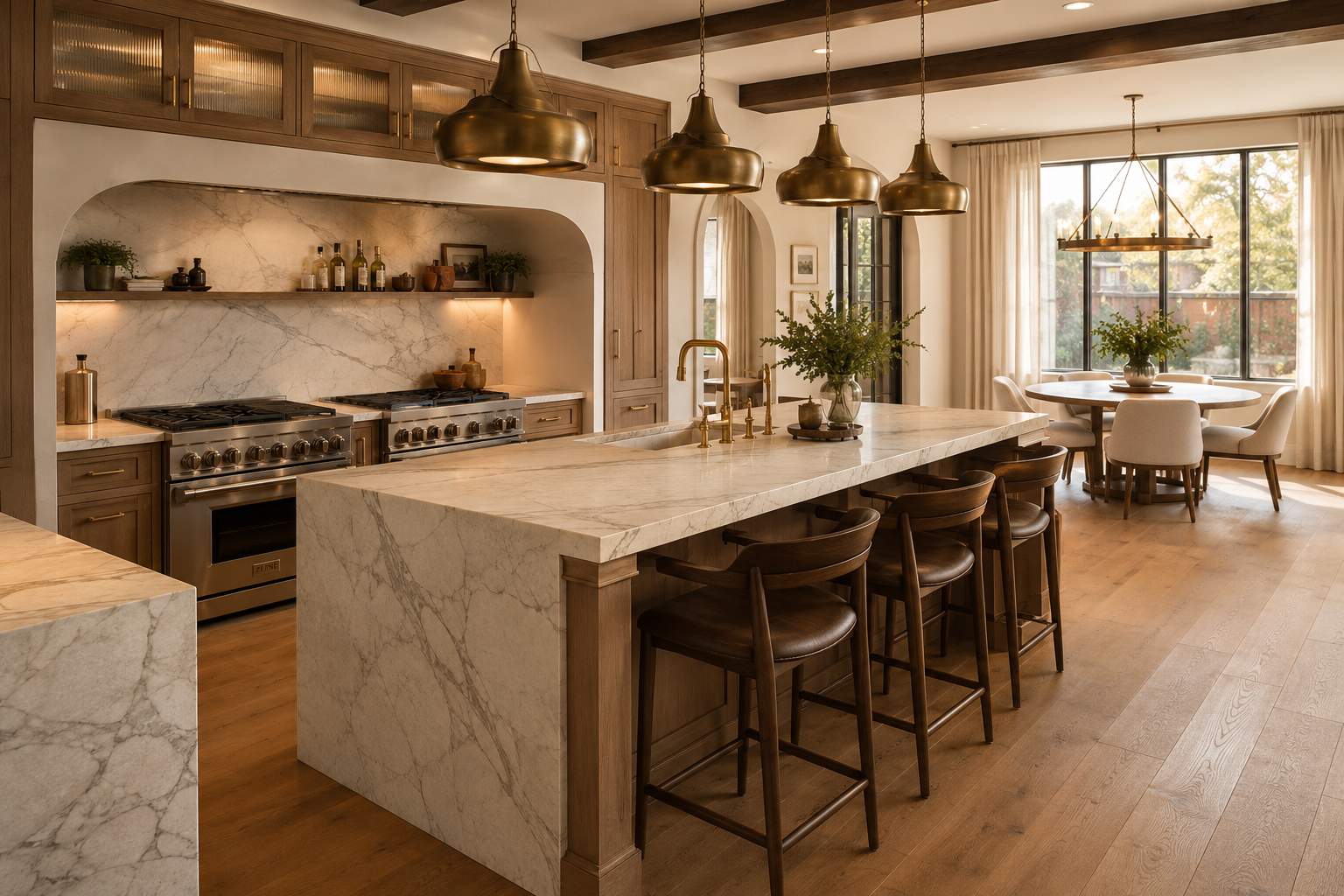
Mistake #7: Rushing the Timeline
Renovations take longer than anyone wants them to. This is not pessimism; it is simply the nature of the work, and the homeowners who suffer most are the ones who refuse to believe it.
Custom cabinetry has lead times. Stone has to be sourced, slabbed, and fabricated. The furnishings that make a house feel finished often carry the longest lead times of all, frequently many months. When a homeowner anchors the entire project to an immovable date, a holiday, a graduation, an out-of-town visit, every one of those realities becomes a crisis. Decisions get rushed. Substitutions get made for the sake of speed. Quality is quietly sacrificed to the calendar, and the home that was meant to last twenty years bears the marks of a deadline that lasted a month.
The antidote is to plan early and order early. The single most common source of delay we see is not construction. It is decisions and procurement that started too late. Build a realistic timeline at the outset, add room for the surprises that will come, and resist the urge to compress it. A renovation done a few weeks slower and entirely right will outlast a renovation done fast and almost right by decades.
Mistake #8: Poor Communication and No Single Point of Accountability
Even a well-planned renovation can come apart when too many people are making decisions and no one owns the whole. The homeowner relays one thing to the contractor and another to the designer. The tile setter makes a reasonable call that contradicts the plan no one showed him. Small misalignments compound, and the homeowner becomes an exhausted messenger running between parties who have never spoken directly.
The solution is structure. There should be one source of truth for the project and one point of accountability who holds the entire picture: the design intent, the budget, the schedule, the specifications, and the relationships among the trades. When communication runs through a single coordinated channel, the small misunderstandings get caught before they become built mistakes, and you are freed from a role you never wanted in the first place. A renovation should be something that happens for you, not something you have to manage in addition to your actual life.
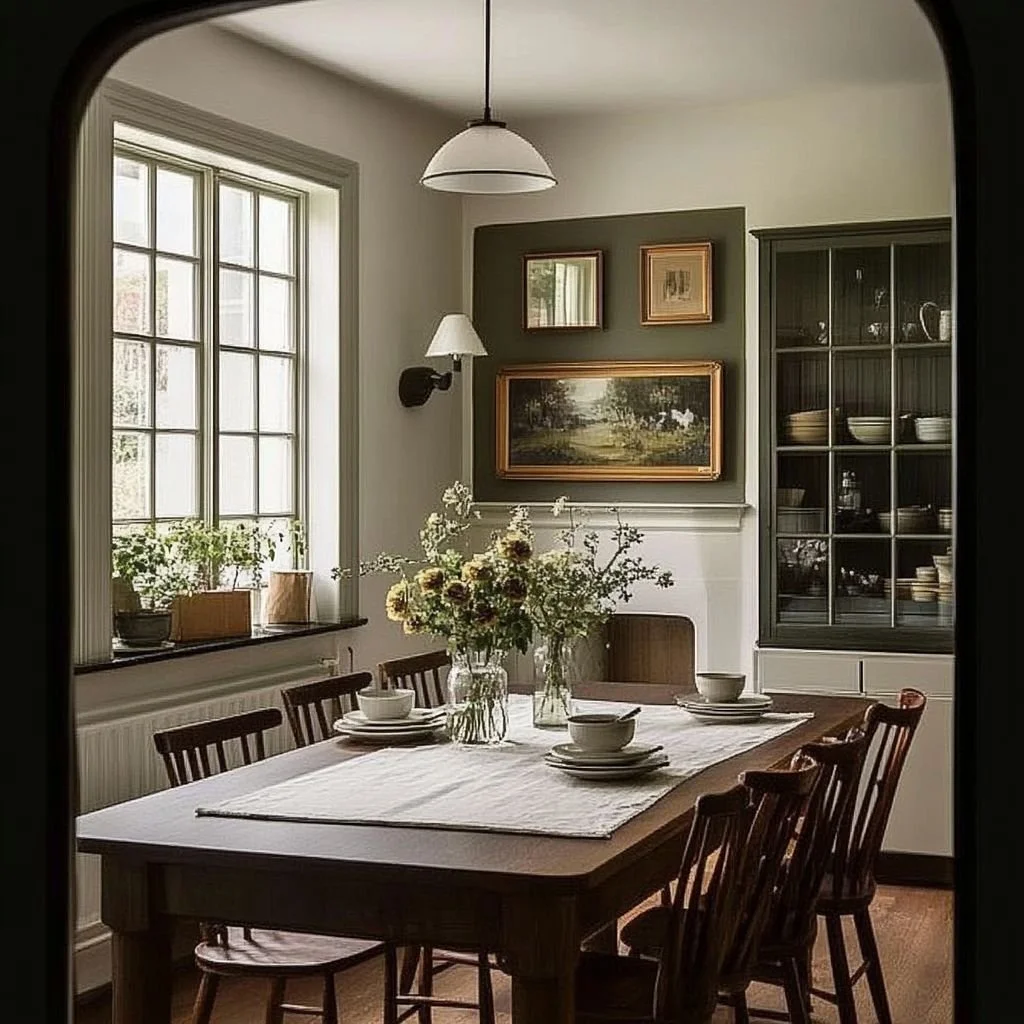
Starting Right Is the Whole Game
If there is a thread running through every one of these mistakes, it is this: the renovation is won or lost before it begins. The homeowners who end up with the home they dreamed of are almost never the ones with the largest budgets. They are the ones who planned honestly, sequenced the work correctly, brought in the right people in the right order, and gave the process the time it deserved.
That is precisely the work we love most at Sentenac House, and the part we believe matters more than any finish. We guide our Scottsdale and Valley clients through every one of these decisions with care, so the renovation feels less like a gauntlet to survive and more like the considered, even joyful, process it was always meant to be. Your home should be the place you exhale, and getting there should not cost you your peace along the way.
If you are beginning to imagine a renovation, the best time to talk is now, before the first decision is made. We would be honored to help you start it right.
Ready to begin? Schedule a consultation with Sentenac House and let us design a renovation that becomes the home you actually want.